


No products in the cart.
Red wines Spain
Spain has the largest vineyard area in the world - around one million hectares. However, due to the poor soil and very dry climate in central Spain, yields are lower than in France and Italy. With over 600 grape varieties, Spain is one of the most diverse wine-growing countries in the world. Nevertheless, only around 20 varieties account for around 80 % of the area under cultivation. Discover a carefully selected and varied selection of excellent wines at Feiniwy.ch. Red wines from Spainincluding real insider tips! Our aim is to offer you Spanish red wines of different grape varieties, direct from the winemaker - perfect for every taste and occasion.
THE WAY TO THE BEST BOTTLE
Filter & Search
SUCHE
SORTIEREN
REGION
SORTE
HERSTELLER
JAHRGANG
FLASCHENGRÖSSE
ANBAU
Showing 46–58 of 58 results
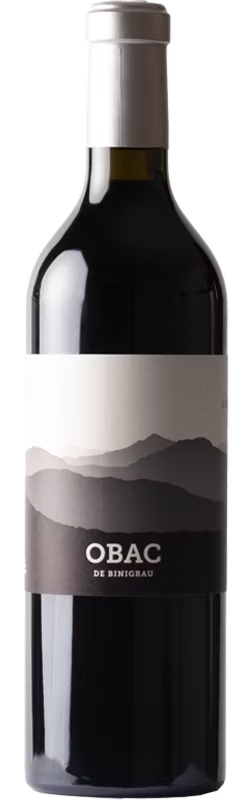
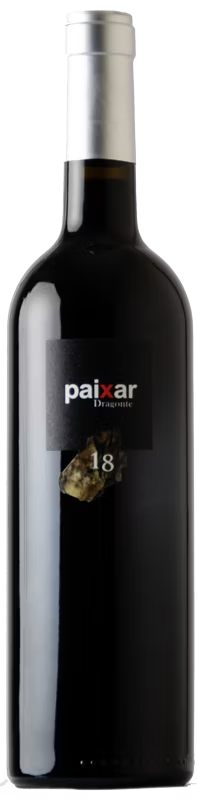
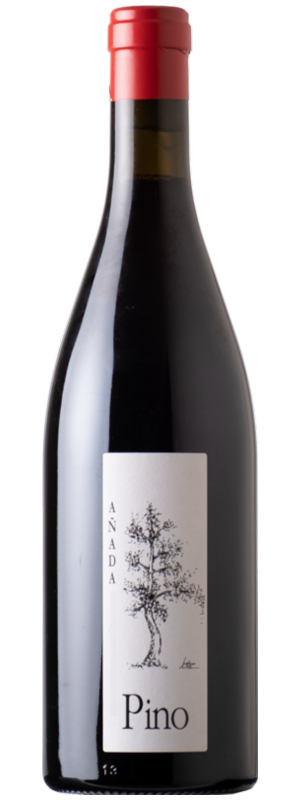
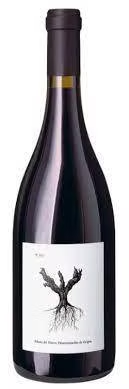
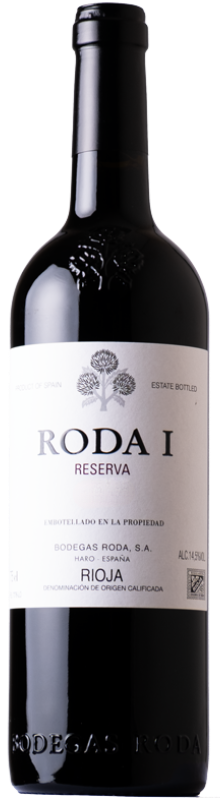
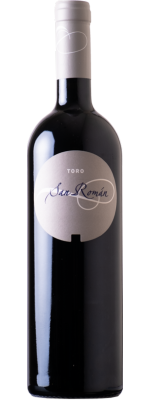
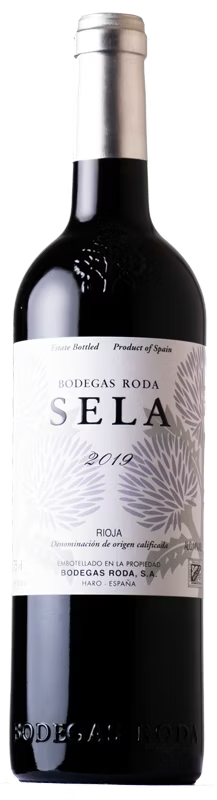
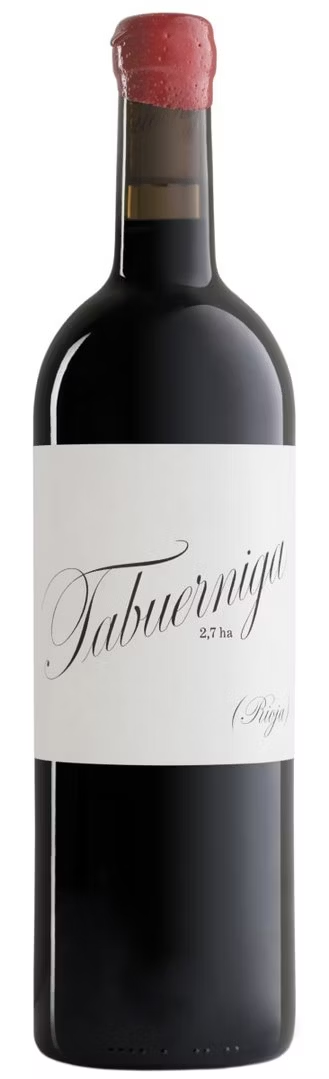
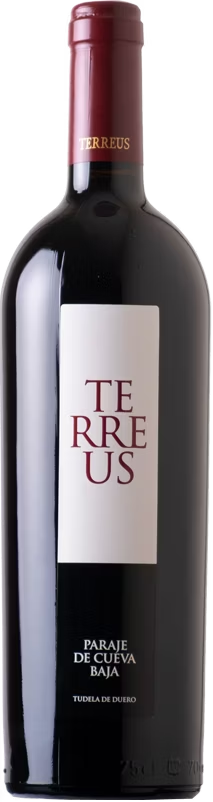
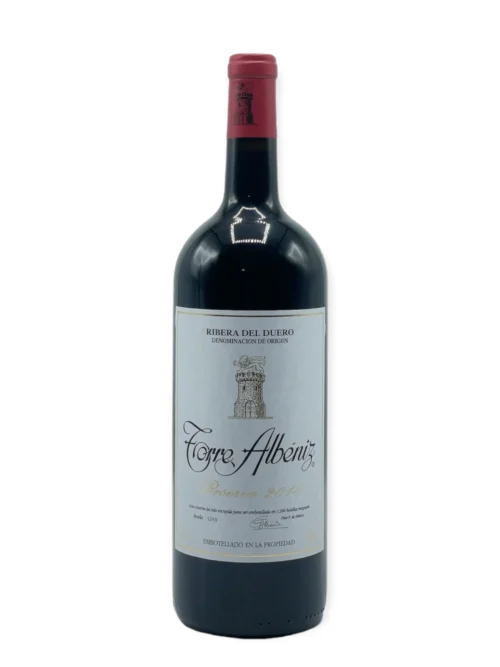
Country
Variety
Manufacturer
Vintage
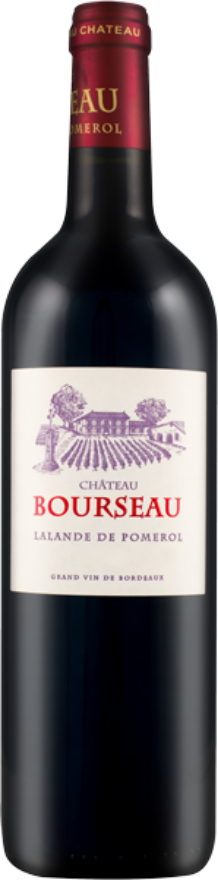
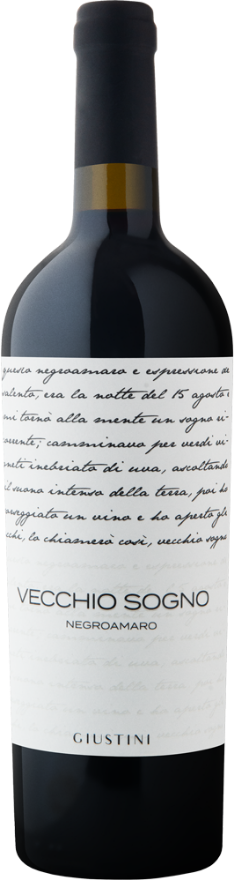
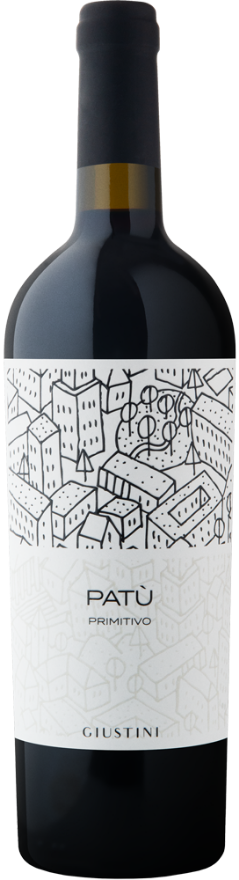
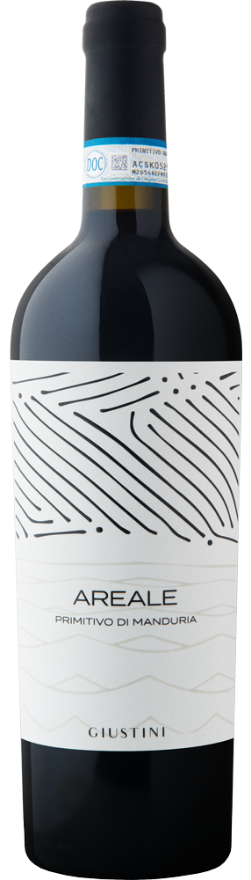
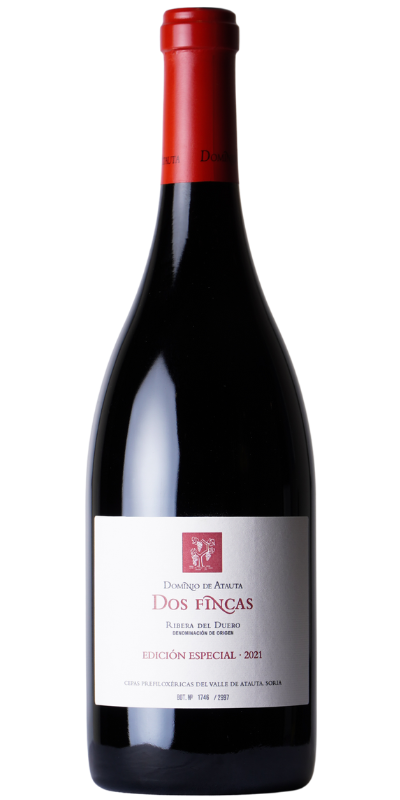
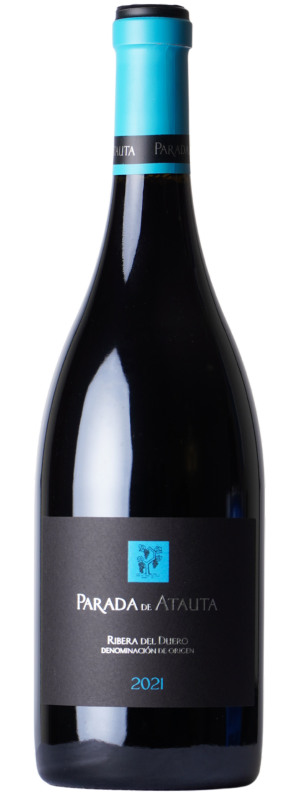
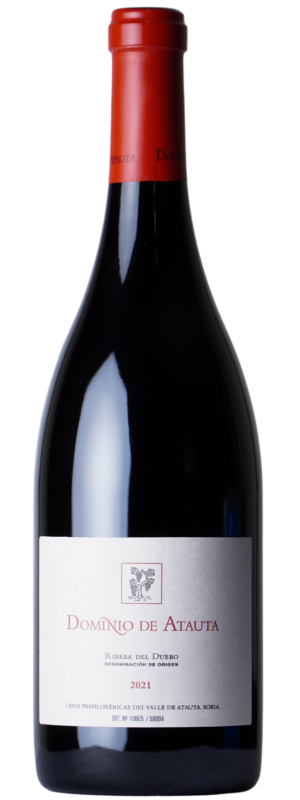
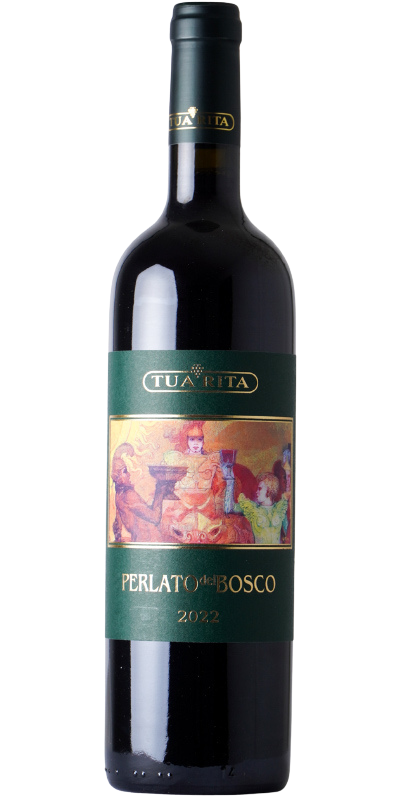
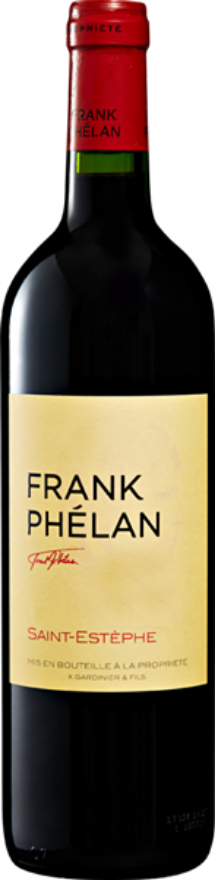
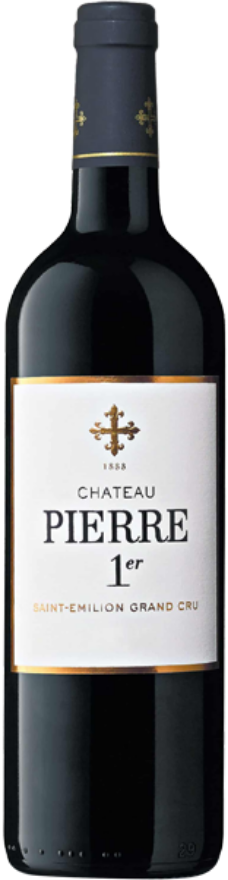
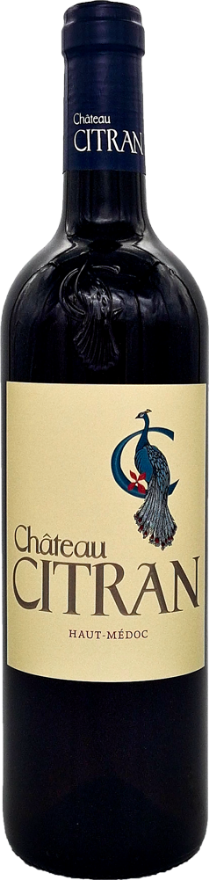
Spanish wine stands for Mediterranean enjoyment, centuries-old tradition and impressive diversity. Spain is one of the most important wine-producing countries in the world and has the largest vineyard area worldwide – around one million hectares. Despite the immense cultivation area, Spanish wine is in no way inferior in quality and reputation to classic wine-producing countries such as France or Italy On the contrary: from powerful red wines from the sun-drenched Rioja region to elegant white wines from Atlantic Galicia, Spanish wines delight connoisseurs and enthusiasts alike. With every glass, you experience a touch of the Spanish way of life – sunny, spirited and authentic.The fascination of Spanish wines lies in their Uniqueness and diversity. Each bottle tells its own story: from the barren soil of Rioja Alta, where Tempranillo vines take root, to the cooling sea breeze that surrounds Albariño grapes in Galicia. This wealth of character and aroma makes Spanish wines the perfect accompaniment to enjoyable evenings and special occasions. Below you can find out more about Spain's wine regions, typical grape varieties, quality levels and how you can Yours Find your favourite Spanish wine – naturally in an exclusive selection at Feiniwy.co.uk.
This information is to be understood as minimum requirements. Many winemakers allow their best wines to mature for even longer if this enhances their flavour. Similar categories exist for white wines and cavas, some with shorter ageing periods. As a general rule, a Gran Reserva from Spain is often ready to drink when it comes onto the market, but has the potential to continue to gain in finesse over decades.
In addition to the stage of maturation, it is also worth taking a look at the vintage and bottler. Spain's growing years can vary depending on the weather – experienced wine lovers know, for example, that 2010 was an outstanding year in Rioja, while 2013 was difficult. But regardless of the vintage: Spanish winemakers focus on quality. That is why the label often bears the words „Embotellado en Origen“ – bottled at source – as a sign of authenticity. A Reserva from a large winery such as Rioja Alta or Ribera del Duero will always be a reliable pleasure.
Wine country Spain: tradition meets terroir in all regions
Spain as a wine country offers an impressive range of regions and terroirs. From the green hills Northern Spain From the cool northern regions to the hot plains in the south, each landscape shapes the wine in its own unique way. Spain is extremely diverse in terms of geology and climate, and this is reflected in its wines. Despite the dry climate in central Spain and the often barren soils, wines of great intensity and depth are produced. Because many Spanish wine-growing regions are located at higher altitudes or are influenced by the sea, the wines have a balanced structure of fruit, acidity and spice. Spain not only produces quantity, but above all classYear after year, Spanish wines receive top ratings and rank among the best in international tastings. A glance at the map shows why Spanish wine is so diverse. The country is divided into many renowned wine regions, each with its own character and specialities. Over 60 protected areas of origin (D.O. – Designation of Origin) guarantee controlled quality and typical flavour. In addition, there are two particularly renowned regions with the highest status (D.O.Ca. – Qualified Designation of Origin): Rioja and Priory. Even beyond these big names, there are numerous hidden gems waiting to be discovered – from up-and-coming coastal regions to the wine islands of Mallorca. Spain is a treasure trove for wine lovers looking for something special.Important wine regions in Spain (selection)
- Rioja – Probably the best-known region for Spanish red wines. Here, Tempranillo matures in oak barrels to produce elegant, complex wines with notes of vanilla and dark berries. Tradition and modernity go hand in hand – from classically matured Gran Reservas to modern creations.
- Ribera del Duero – High plateau in Castile with extreme temperature differences. Produces powerful, deep red wines (mostly Tempranillo, locally known as “Tinto Fino”) with intense fruit and tannin structure. Some of Spain's most expensive and sought-after wines come from here.
- Priory – Mountainous region in Catalonia, known for concentrated red wines made from Garnacha and Cariñena. The black slate terroir (“Llicorella”) gives the wines mineral notes and enormous depth. Some Priorat wines have D.O.Ca. status – World class in a glass.
- Rías Baixas – Coastal region in Galicia, home of the famous Albariño. Fresh Atlantic air and granite-rich soils produce aromatic white wines with lively acidity. Ideal for lovers of fresh, fruity white wines – perfect with seafood.
- Rueda – Central highlands, specialising in Verdejo white wines. This region produces dry, highly aromatic white wines with notes of green apple, herbs and a delicate minerality. Rueda wines are excellent accompaniments to light dishes and summer evenings.
- Jerez (sherry) – Andalusia's hot southern tip produces the legendary sherry. The white chalk soils and the solera system create unique fortified wines ranging from bone dry (Fino, Manzanilla) to deeply sweet (Pedro Ximénez). A world of Spanish winemaking for connoisseurs.
Typical grape varieties of Spain: Tempranillo, Garnacha & more
The grape varieties form the heart of every wine, and Spain's wine diversity is also reflected in its grapes. Over 600 indigenous grape varieties are native to the Iberian Peninsula – an astonishing number. However, around 80% of the vineyard area is concentrated on around 20 main varieties. Each major wine region has its favourites, and many of these grapes have achieved world fame. For wine lovers, this means that Spanish wines offer a wide range of flavour profiles – from velvety Tempranillo red wine to crisp, fresh Albariño white wine. Below is an overview of some of the most important Spanish grape varieties:- Tempranillo – Spain's noble red grape variety. It is behind the most famous red wines, especially in Rioja and Ribera del Duero. Tempranillo produces medium to full-bodied wines with aromas of red fruits, plums and often a fine seasoning. Wood ageing develops notes of vanilla, tobacco and leather. A Tempranillo Reserva from top vineyards easily rivals the great Bordeaux wines.
- Garnacha (Grenache) – An old red variety grown in many regions (including Priorat, Calatayud and Navarra). Garnacha produces lush, fruit-forward wines with notes of ripe strawberries, spices and sometimes a hint of herbs. In hot locations, it is powerful and high in alcohol, while in cooler regions it is surprisingly delicate. Garnacha is also the main component of many cuvées and famous Priorat wines.
- Monastrell (Mourvèdre) – Especially in Jumilla and Levante at home. Produces very deep, dark, tannin-rich red wines with aromas of dark berries, chocolate and Mediterranean herbs. Monastrell wines are powerful and strong-willed – the perfect accompaniment to grilled dishes or game.
- Mencía – Speciality from the north-west (Bierzo, Galicia). Produces elegant, medium-bodied red wines with hints of cherry, violet and a mineral note. Mencía is considered by connoisseurs to be „Spain's Pinot Noir“ because the wines have a fine structure and express the terroir well.
- Albariño – White wine grape from Galicia (Rías Baixas). The vines on the Atlantic coast produce fresh, aromatic white wines Full of citrus, peach and a hint of salty sea breeze. Albariño is the ideal summer wine: light, tangy and yet with enough substance to amaze even connoisseurs. No wonder Albariño is causing a sensation internationally.
- Verdejo – The main grape variety in Rueda (central Spain). Verdejo wines are dry, lively and have aromas of green apple, lime, herbs and sometimes fennel. On the palate, they impress with crisp acidity and a subtle bitter note in the finish. A well-made Verdejo can be reminiscent of Sauvignon Blanc, but has its own unique Spanish character. A touch of the exotic.
- Xarel·lo, Macabeo, Parellada This trio of white grapes forms the basis for Spain's famous sparkling wine, cava. In Catalonia When pressed, they produce fine sparkling wines: Xarel·lo for structure and spice, Macabeo (Viura) for fruit and freshness, Parellada for elegance. Thanks to this blend, a traditional Cava brut has nutty aromas, apple and citrus notes – a Spanish sparkling wine with class.
Quality and labelling: Understanding Spanish wine classifications
Spanish wines offer not only variety, but also reliable quality. To enable wine lovers to quickly recognise what to expect from a bottle, Spain has a clearly defined system of designations of origin and quality. These labels on the bottle provide information about the region of origin, production standards and ageing period of the wine. They serve as both a guide and a seal of quality. Here is a brief overview of the most important classifications: Designations of origin (Denominación de Origen)Most quality wines carry a D.O. (protected designation of origin). Each D.O. region – whether Rioja, Ribera del Duero or Rueda – has its own set of rules that specify, among other things, permitted grape varieties, maximum yields and wine-making standards. Strict controls ensure that a wine is typical of its region and reliable in terms of quality. The D.O.Ca. regions of Rioja and Priorat have a special status – they meet even stricter criteria and are considered flagships Spanish wine art. For absolute top wines, there is also the classification Vino de Pago, which is reserved for unique wineries for their single vineyard wines. Aging stages (Crianza, Reserva, Gran Reserva)Traditionally, Spanish quality wines – especially red wines – are aged for a long time in the winery's cellar before they are released onto the market. The terms Crianza, Reserva and Gran Reserva indicate how long a wine has been aged in oak barrels and in the bottle. They help you to estimate how developed a wine is and what character it has. The following table shows the usual ageing standards for Spanish red wines:| Maturity level (red wine) | Mandatory ageing in casks and bottles | flavour profile |
|---|---|---|
| Crianza | At least 2 years total storage, of which approx. 6–12 months in oak barrels | Balanced and accessible; fruity notes with a gentle woodiness. Ready to drink upon sale, can be stored for another 2–4 years. |
| Reserva | At least 3 years of ageing, including at least 12 months in casks | Complex and harmonious; developed aromas (spices, dried fruit), soft tannins. Can be stored for another 5–10 years. |
| Gran Reserva | At least 5 years of ageing, including at least 18–24 months in casks | Highly mature and complex; bouquet of leather, tobacco, chocolate, fine structure. Often of the highest quality, suitable for very long storage. |
Taste and occasion: Spanish wine inspires with its diversity
Whether it's a cosy get-together or a festive dinner – There is a suitable Spanish wine for every occasion.. Thanks to their aromatic diversity and different styles, Spanish wines can be wonderfully paired with food or enjoyed on their own. From light and fruity to opulent and full-bodied, there is something for everyone. Be inspired by some of these ideas:- Aperitif or reception: Start the evening with a cool glass Cava, Spain's prestigious sparkling wine. A high-quality Spanish cava Brut surprises your guests with its fine bubbles and notes of brioche and apple – and is a sophisticated, less expensive alternative to champagne. Very dry fino sherry with salty almonds can also be an unusual starter.
- Light starters & fish: Goes well with seafood tapas or a summer salad Spanish white wines Excellent. Serve an Albariño from Rías Baixas or a Verdejo from Rueda well chilled at approx. 8–10 °C. Such Spanish white wines impress with their freshness, citrus aromas and mineral accents – they enhance the flavour of fine foods without overpowering them.
- Hearty grilled dishes & substantial meals: The spicy cuisine (e.g. Iberico ham, paella with meat, grilled steak) calls for an equally characterful accompaniment. Reach for a Tempranillo Reserve from Rioja or Ribera del Duero. Its ripe fruit, vanilla and roasted aromas harmonise brilliantly with grilled meat and stews. Decant heavy red wines about an hour in advance so that they can develop their full bouquet.
- Mediterranean vegetable dishes & rice: An aromatic Grenache or Mencía Medium-bodied wines are ideal with vegetable paella, ratatouille or pasta. The moderate tannin structure of these red wines supports the flavour without dominating it. Tip: When served slightly chilled (14–15 °C), fruity red wines are even better with spicy dishes on warm days.
- Dessert & conclusion: At the end of a meal, you can afford to be a little adventurous. A Pedro Ximénez sherry from Jerez is almost syrupy in its sweetness and goes wonderfully with chocolate or dulce de leche. Prefer something a little lighter? A muscatel-Dessert wine from Valencia with its orange blossom aroma or a final sip Cava with strawberries round off the evening on a high note.
Feiniwy – Your online shop for exclusive Spanish wines
As a quality-conscious wine lover, you expect more than run-of-the-mill wines from the shelf. At Feiniwy.ch you've come to the right place. We are Your specialist for carefully selected European wines – with a particular fondness for Spanish wines. Our wine experts seek out special wineries and authentic wines for you that are not available everywhere. Our range includes both renowned classics and hidden treasures from Spain. How about a multi-award-winning Rioja Reserva from Bodegas Roda or a real insider tip from the Balearic Islands? Yes, there are great things to discover away from the mainland too: the characterful[12 volts from Mallorca](https://feiniwy.ch/produkt/12-volts-vino-de-la-terra-de-mallorca-bodegas-4-kilo-2021/) is just one example of the hand-picked Spanish wines available from us.
Quality, authenticity and enjoyment are Feiniwy's top priority. We have tasted and tested every wine we offer. This means you can be sure that every bottle will meet your high standards. We source many wines directly from the winemaker – this not only guarantees fair, transparent prices, but also preserves the uniqueness of each terroir. What you taste in your glass is exactly what the bodega wanted to create. But our service goes even further: Personal consultation is a top priority at Feiniwy. Not sure which Spanish wine is right for your occasion? No problem – our knowledgeable team will be happy to give you personalised advice with passion. Whether you're looking for an elegant Spanish red wine as a gift If you are looking for a particular wine or would like a recommendation for the right vintage, we will take the time to address your request. Simply contact us – we are happy to share our expertise. Turn your wine experience into a first-class treat. Browse through our online shop and discover Spanish wines full of character and class. At Feiniwy, you don't just buy wine – you invest in joie de vivre and unforgettable taste experiences. Have fun discovering and cheers – Cheers!
Frequently asked questions about Spanish wine
What makes Spanish wine so special?
Spanish wine is characterised by its enormous variety of Regions, grape varieties and styles Spain offers both powerful red wines aged in oak barrels (e.g. Rioja, Ribera del Duero) and fresh white wines (Albariño, Verdejo) and excellent sparkling wine (Cava). Thanks to the warm climate, Spanish wines often have a ripe fruitiness, while high altitudes and different soils ensure Balance and structure. In short, Spanish wines combine Mediterranean warmth with characterful terroir.Which wine regions in Spain are the most famous?
The most famous wine regions in Spain are Rioja and Ribera del Duero for red wine and Rías Baixas and Rueda for white wine. Rioja (in the north) is famous for Tempranillo red wines and is one of two regions with D.O.Ca. status. Ribera del Duero (in Castile) also produces top red wines, often very powerful. Rías Baixas (Galicia) is highly regarded for its white wines – this is where Albariño comes from. Rueda (Castile) is known for Verdejo white wines. There are also many other important areas, such as Priorat in Catalonia (high-quality red wines), Penedès (Cava sparkling wine) and Jerez (sherry) in Andalusia.What do terms such as Crianza, Reserva and Gran Reserva mean?
These terms indicate how long a wine has been aged. Crianza refers to wines that have been aged for at least two years (including approximately six to twelve months in oak barrels). Reserva-Wines are aged for at least 3 years (at least 12 months in casks), giving them greater complexity and roundness. Gran Reserva refers to wines that have been aged for a particularly long time: at least 5 years of storage, often including 18–24 months in barrels. Such wines are very harmonious, with developed aromas (spices, leather, etc.) and great ageing potential. These categories are mainly found in Spanish red wines – they help you to assess the maturity and style of a wine.Which grape varieties characterise Spanish red wines?
The most important red grape variety in Spain is Tempranillo. It forms the basis of most Rioja and Ribera del Duero wines and is characterised by a profile of red fruit, moderate acidity and vanilla notes (from barrel ageing). In addition, there are Garnacha (Grenache) and Monastrell significant – the former produces fruity, sometimes spicy wines (e.g. in Priorat or Navarra as Rosado), Monastrell produces very strong, dark wines (especially in Jumilla). In north-western Spain, Mencía An exciting red wine grape with a floral, spicy character. These grape varieties are often combined in cuvées to achieve complex flavour profiles.How long can Spanish wine be stored?
That depends on the type of wine. Many high-quality Spanish red wines have a very good storage potential. A Gran Reserva from a top vintage can easily mature for 10–20 years or longer and develop positively. Reserva wines are usually suitable for medium-term storage (5–10 years). Crianzas and younger, fruit-driven red wines are best enjoyed within 3–5 years, while their freshness is still at the forefront. Spanish white wines (Verdejo, Albariño) are usually drunk young within 2–3 years. There are exceptions, such as white wines aged in wood or sweet sherries, which can also be stored for a very long time. It is important to store the bottles in consistently cool, dark conditions.What food goes well with Spanish wine?
Spanish wines are wonderful accompaniments to food, and you can often use the regional cuisine as a guide. A Rioja Reserva or Ribera del Duero (Tempranillo) goes very well with roast lamb, beef fillet or Iberian ham – in other words, hearty meat dishes. Fresh Spanish white wines Albariño wines pair perfectly with seafood, shellfish, fish and light starters. A robust Priorat or Monastrell complements game, grilled meat and mature cheese very well. Spanish wines are also Rosé wines (Rosado) From Navarre or Rioja, these are great all-rounders to accompany Mediterranean vegetable dishes, tapas and paella. And don't forget: a sweet sherry (e.g. Pedro Ximénez) can be served with dessert or cheese – its aromas of raisins and nuts are almost a dessert in themselves.What is the best way to serve Spanish wine?
Like all quality wines, Spanish wines should be served with a little care to allow them to reveal their full potential. As a general rule: Red wines Allow to breathe – mature Reservas and Gran Reservas in particular benefit from decanting 1–2 hours before consumption to remove any sediment and allow the aromas to develop. The optimal serving temperature is approx. 16–18 °C for heavy reds (Rioja Reserva) and 14–16 °C for younger, lighter reds. white wines Enjoy well chilled, but not ice cold – around 8–10 °C for Albariño & Verdejo, so that the aromatic nuances can unfold. A Cava or other sparkling wines should be served well chilled at 6–8 °C. Use appropriate glasses (a bulbous red wine glass for Rioja, a slender white wine glass for Albariño, etc.) to concentrate the aromas. This will bring out the character of Spanish wine to its best advantage. Enjoy at your leisure – ¡salud!If you have any questions or would like a consultation, please fill in the form.
Ansgar Felber, Zumikon
Wines at fair and transparent prices
feiniwy.ch
Felber wine office
feiniwy.ch