

No products in the cart.
feiniwy.ch
Grape varieties - Cabernet Franc
- Grapes, Wine knowledge
- All contributions
The Cabernet Franc grape variety has fascinated connoisseurs for centuries and is today more than ever the focus of winemakers, sommeliers and wine-loving guests. As the Felber wine agency, feiniwy.ch will guide you through the world of this elegant red wine variety and show you why Cabernet Franc is a must in your cellar and on your dining table.
What makes the Cabernet Franc grape variety so special
Cabernet Franc is one of the classic red grape varieties in Europe. Originally native to France, particularly in the Bordelais and the Loire, it has spread from there to Italy, Spain, Austria and overseas. Genetic analyses show that Cabernet Franc is a parent of Cabernet Sauvignon - the cross between Cabernet Franc and Sauvignon Blanc has produced one of the most famous grape varieties in the world.
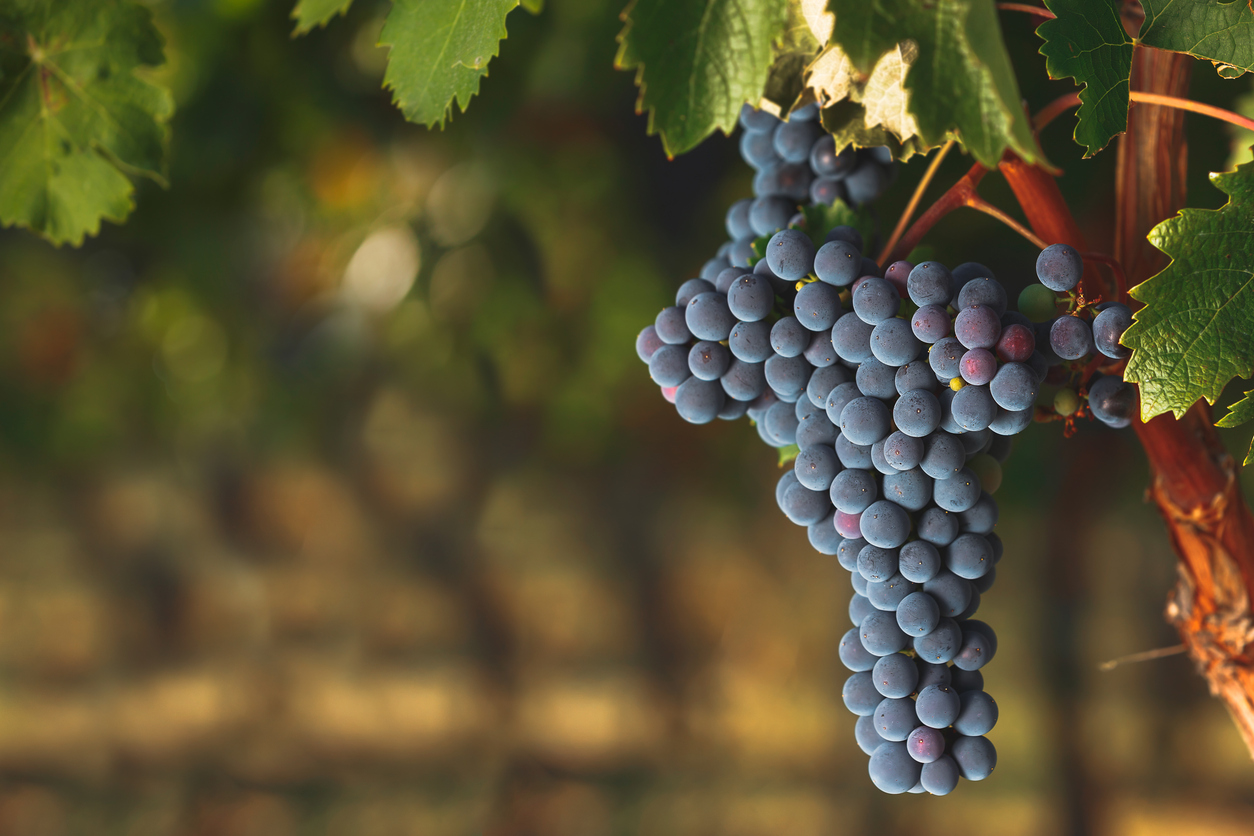
In the glass, the grape variety usually shows a ruby red to deep cherry red colour with light violet reflections. It is characterised by its fine structure, fragrant fruit and a distinctive but elegant spiciness. Many wineries use Cabernet Franc both in cuvées and as a varietal wine, from classic Bordeaux to modern interpretations from Tuscany or cooler regions.
Cabernet Franc flavour: aromas between fruit and spice
Pour Cabernet Franc wine into a glass and you will discover a broad spectrum of flavours. Typical notes are:
- red and dark berries such as raspberry, redcurrant, cherry, blackberry
- floral notes of violets or dried flowers
- delicately spicy tones of herbs, graphite, tobacco leaf
- in cooler vintages or locations, a hint of green pepper or cassis shrub
On the palate, Cabernet Franc is usually dry, medium to full-bodied, with fresh acidity and fine-grained tannins. Compared to Cabernet Sauvignon, the structure is often leaner, the tannins somewhat softer and the acidity livelier. As a result, this grape variety is an excellent accompaniment to food and never seems heavy, even in warmer vintages.
Cabernet Franc red or white - do they both exist?
Strictly speaking, Cabernet Franc is a red grape variety with blue-black berries. The question „Cabernet Franc red or white“ often arises because winemakers make very light-coloured wines from red grapes.
In addition to classic red wine you will find:
- Cabernet Franc Rosédelicate salmon colour to strong raspberry colour, mostly fruity, dry and with refreshing acidity.
- Blanc de Noir from Cabernet Franc: rare, but possible. The wine then looks like white wine, but comes from a red grape variety whose juice is pressed almost colourless.
For lovers of clear structures, Cabernet Franc Rosé offers an elegant alternative to classic rosé wines made from Grenache or Pinot Noir.
Style: Cabernet Franc dry, structured and versatile
The vast majority of wines from the Cabernet Franc grape variety is vinified dry. In France, Italy and Switzerland, a dry, clearly contoured style is the benchmark. Residual sugar plays at most a supporting role, never the main one.
Despite its dryness, Cabernet Franc is not ascetic. Ripe fruit, length and a fine interplay between acidity and tannin create a juicy mouthfeel. In cooler regions, freshness takes centre stage, while dark fruit and ripe tannins dominate in warmer origins. Winegrowers also like to use Cabernet Franc in barrique ageing: subtle roasted notes, vanilla or cedar wood complement the natural flavour of the variety.
Origin and growing regions of the Cabernet Franc grape variety
Historically, Cabernet Franc comes from France. Two regions characterise the picture:
- BordeauxCabernet Franc often appears here as part of a cuvée. In appellations such as Saint-Émilion or Pomerol, it provides freshness, flavour and structure, especially in combination with Merlot.
- LoireIn areas such as Chinon, Bourgueil or Saumur-Champigny, Cabernet Franc often takes centre stage as a single variety. The wines are juicy, slightly cool in flavour, with a recognisable herbal spiciness.
In recent decades, Cabernet Franc has also experienced a renaissance in Italy, particularly in Tuscany, where it appears in high-quality IGT wines or Bolgheri cuvées with Cabernet Sauvignon and Merlot. Austria, Spain and Switzerland are also showing exciting, terroir-emphasised interpretations, from elegant varietal wines to complex cuvées.
Cabernet Franc in comparison: difference to Cabernet Sauvignon and Blaufränkisch
Many wine lovers ask themselves: What is the difference between Cabernet Sauvignon and Cabernet Franc?
- Body and tannins: Cabernet Sauvignon is usually more powerful with firmer tannins, Cabernet Franc finer, with a polished tannin structure.
- Flavours: Cabernet Sauvignon often shows blackcurrant, cassis, blackberry and cedar. Cabernet Franc tends more towards red berries, herbs and a subtle hint of paprika.
- Maturity potential: Both grape varieties have great ageing potential. Cabernet Franc develops complex notes of leather, tobacco, undergrowth and dried fruit as it matures in the bottle.
The „Cabernet Franc Blaufränkisch“ combination often crops up when searching for sophisticated red wines from Austria. Blaufränkisch (Lemberger) displays striking acidity and dark berry fruit, while Cabernet Franc provides additional flavour and a different tannin structure. Together they create cuvées with depth, tension and excellent suitability for strong meat dishes.
What does Cabernet Franc taste like in practice?
For a concrete idea, it is worth taking a mental tour through a tasting: the wine shimmers a clear ruby red in the glass. The nose reveals red cherries, cassis, some blackberries, dried herbs and a hint of graphite. With air, notes of violets and perhaps subtle roasted flavours emerge.
On the palate, the wine is dry, with a medium body, lively, well-integrated acidity and fine tannins. The fruit continues, accompanied by spice and a cool mineral line. The finish leaves an impression of juicy fruit and delicate astringency that invites you to take a second sip.
If you want to buy Cabernet Franc, you will get a food companion that goes well with both rustic dishes and fine cuisine.
Serving tips and food pairing for Cabernet Franc wine
Cabernet Franc unfolds its potential if you pay attention to temperature, choice of glass and food pairing:
- Serving temperature: 16 to 18 degrees for full-bodied red wines, 10 to 12 degrees for Cabernet Franc Rosé.
- Glass: A classic red wine glass with a slightly bulbous shape balances fruit and flavour.
- Dishes: Lamb chops, braised veal, duck breast, ratatouille, aubergine casserole, mature hard cheese.
The fresh acidity and moderate tannins give the wine great flexibility. In everyday life, a single-varietal Cabernet Franc goes just as well with a simple pasta dish as it does with barbecues. For fine menus, Cabernet Franc cuvées with Cabernet Sauvignon or Merlot can be used to accompany multi-course menus; you can find inspiration for this in our article Red wine or white wine - which goes with which menu?.
Pronounce Cabernet Franc in German - this is how it works
The question „Pronounce Cabernet Franc in German or French?“ often comes up in tastings. In German-speaking countries, a pronunciation based on French has become established:
- „Cabernet“: roughly „Kab-ber-nä“
- „Franc“: roughly „Fron“ with a nasal „on“, not „Frank“
Who the Cabernet Franc pronunciation practises, gains confidence at the table and in the wine round. At the same time, correct pronunciation shows respect for the origin of the grape variety.
Important style variations: Cabernet Franc Rosé, cuvées and single vineyard wines
Winemakers interpret the Cabernet Franc grape variety in very different ways. Three directions dominate:
Single variety red wines
Cabernet Franc pure brings freshness, firm texture and clear fruit to the glass. Cooler regions emphasise herbs and red berries, warmer locations dark fruit and riper tannins.
Cuvées with Bordeaux character
In combination with Cabernet Sauvignon, Merlot or Petit Verdot, it produces wines with a strong structure that are ideal for ageing in barriques. In our range at feiniwy.ch, you will find high-quality red wines from France and Italy, for example, in which Cabernet Franc plays a key role. For an overview, it is worth taking a look at the category Buy red wine.
Cabernet Franc Rosé
From early harvested grapes and a short maceration period, animating rosés are created that combine berry fruit with a savoury core. They are ideal with summer starters, grilled vegetables and light fish dishes. Discover suitable growths in our selection of Rosé wines in the online shop.
Buy Cabernet Franc at feiniwy.ch - Selection for connoisseurs and explorers
As a specialised wine agency for quality-conscious connoisseurs, we attach great importance to a curated selection. We stock Cabernet Franc both as a varietal wine and as a component of high-quality cuvées.
Our philosophy: Each wine tells a story of origin, vintage and the winemaker's signature. For you this means
- Focus on wines with a clear origin and strong character
- Careful tasting before inclusion in the range
- Personal advice by phone or e-mail if you would like to discover Cabernet Franc or expand your range
If you are interested in grape variety portraits, we also recommend our articles on Cabernet Sauvignon, Pinot Noir or Chardonnay. Step by step, you will build up a sound understanding of the most important international grape varieties.
Brief overview: Typical characteristics of the Cabernet Franc grape variety
| Feature | Typical characteristics of Cabernet Franc |
|---|---|
| Colour | Ruby red to cherry red, partly violet reflections |
| Fragrance | Red berries, cassis, violets, herbs, subtle peppers |
| Flavour | Dry, medium to full-bodied, fresh acidity, fine tannins |
| Expansion | Stainless steel, large wood or barrique, single-varietal or in cuvées |
| Serving temperature | 16-18 °C (red wine), 10-12 °C (rosé) |
| Foodpairing | Lamb, beef, poultry, Mediterranean cuisine, matured hard cheese |
Frequently asked questions about the Cabernet Franc grape variety
What is Cabernet Franc wine?
Cabernet Franc wine is a red wine made predominantly or entirely from the Cabernet Franc grape variety. It is one of France's classic noble grape varieties and is found both as a single-varietal wine, particularly in the Loire region, and as an important component of Bordeaux cuvées. Cabernet Franc wine is characterised by fragrant aromas of red berries, herbs and an elegant structure with clear acidity and fine tannins.
What kind of wine is Cabernet Franc?
Cabernet Franc belongs to the family of red Bordeaux grape varieties and usually produces dry wines with a strong character. The style ranges from medium-bodied, fresh red wines with an accentuated herbal flavour to complex barrique wines with great ageing potential. In cooler regions, Cabernet Franc tends to be more delicate, while in warmer locations it is denser and darker in fruit.
What does Cabernet Franc taste like?
The Cabernet Franc flavour combines freshness, flavour and a fine tannin structure. The nose reveals redcurrants, cherries and blackberries, often accompanied by violets, tobacco leaf and dried herbs. On the palate, Cabernet Franc is dry, with lively acidity and well-integrated tannins. In cooler vintages, green peppers and cassis are more prominent, while in warmer vintages, ripe dark berries and a juicy texture dominate.
What is the difference between Cabernet Sauvignon and Cabernet Franc?
Cabernet Sauvignon and Cabernet Franc are closely related, but differ significantly in style and structure. Cabernet Sauvignon usually shows more body, more intense tannins and flavours of blackcurrant, cassis and cedar wood. Cabernet Franc is lighter to medium-bodied, with finer tannins and flavours of red berries, herbs and a subtle hint of paprika. Both grape varieties complement each other ideally in cuvées; single-varietal Cabernet Franc is often more accessible and versatile as a food companion.
Where does Cabernet Franc originally come from?
The Cabernet Franc grape variety originally comes from France, probably from the south-west of the country. Historical sources refer to early plantings in the Bordelais and the Loire. From there, the grape variety spread to Italy, Spain, Switzerland and numerous overseas regions. Today, the Loire is regarded as the benchmark for single-varietal Cabernet Franc wines, while Bordeaux cuvées tend to use the grape variety in the background.
Is Cabernet Franc always dry?
In the classic growing regions such as Bordeaux, Loire, Tuscany or Palatinate, Cabernet Franc is practically always vinified dry. Slight residual sweetness does not play a major role in high-quality wines. Both dry red wines and dry rosés are made from this grape variety. Who Cabernet Franc dry can find a wide selection of wines that are clearly structured and designed to accompany food in specialised retailers and from providers such as feiniwy.ch.
Where can I buy Cabernet Franc?
Cabernet Franc is best bought from specialised wine merchants who value origin, vintage character and careful storage. In the feiniwy.ch online shop you will find Cabernet Franc wines from France, Italy, Austria and other exciting regions, selected by the Felber wine office. Take a look at our categories for Red wines and French wines will lead you to suitable recommendations that you can have conveniently delivered to your home.
///Comment: Tips for external links for E-E-A-T (Note: depending on the language, here de-DE)
- https://www.oiv.int - International Organisation for Vine and Wine, background information on grape varieties and global cultivation areas. Recommended after the section „Origin and growing regions of the Cabernet Franc grape variety“.
- https://www.dlr-rheinpfalz.rlp.de - Specialised portal of a German wine-growing institute with information on grape varieties, climate and viticulture. Fitting after the section on style and cultivation in different regions.
- https://www.agroscope.admin.ch - Swiss Research Centre for Agriculture and Viticulture, with studies on variety selection and climate influences; useful after the description of why Cabernet Franc can cope well with global warming.
- https://www.vinum.eu - Specialist magazine with tasting reports and market shows on Cabernet Franc; suitable after the section „Cabernet Franc in comparison: difference to Cabernet Sauvignon and Blaufränkisch“.
- https://www.weinplus.eu - Independent wine encyclopaedia with detailed grape variety profiles; can be used after the brief overview table on the characteristics of the Cabernet Franc grape variety.
Wines at fair and transparent prices
feiniwy.ch
- Sales
- Novelties
- Alcohol-free products
- Red wines
- White wines
- Rosé wines
- Sparkling wines/champagne
- Olive oil
Felber wine office
feiniwy.ch