

No products in the cart.
feiniwy.ch
Grape varieties - Chardonnay
- Grapes, Wine knowledge
- All contributions
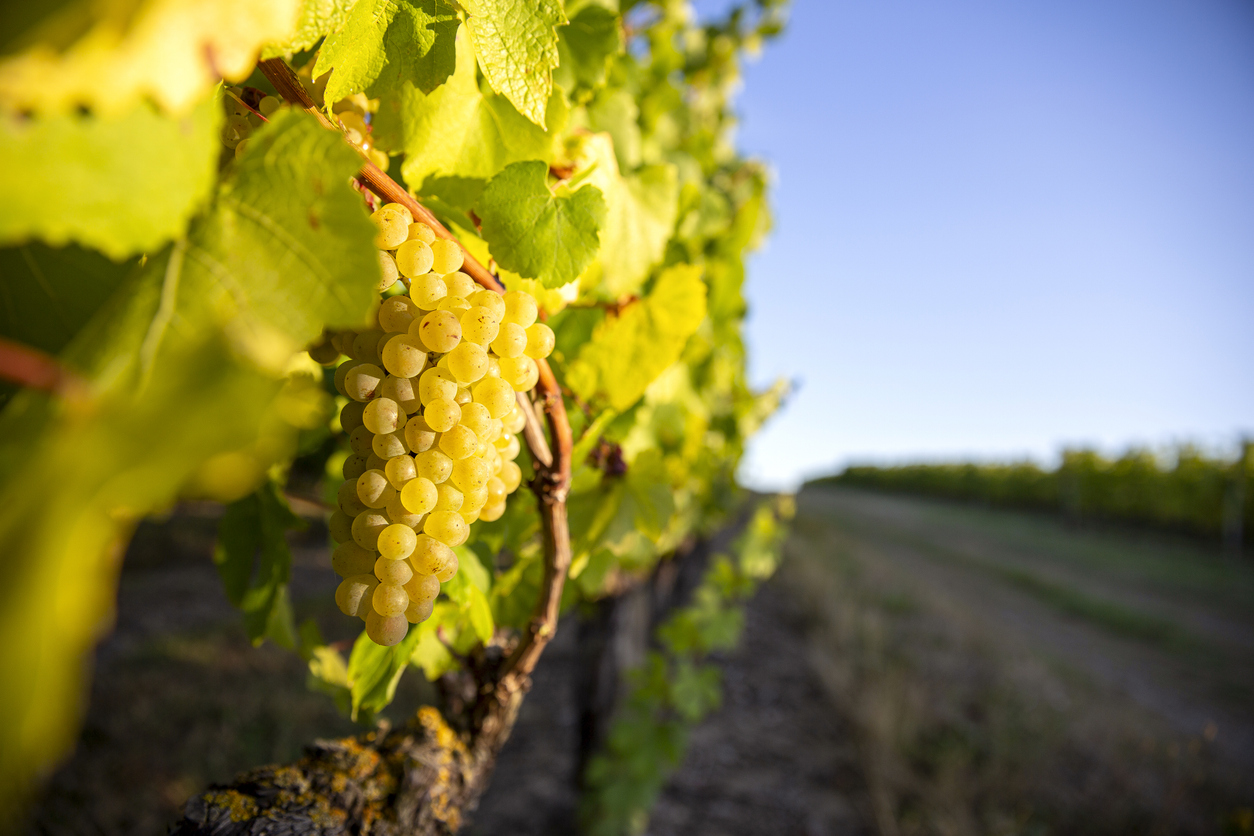
The Chardonnay grape variety Chardonnay is considered a chameleon among white wines: it reflects origin, climate and ageing like almost no other variety and ranges in style from crystal clear and mineral to lush, creamy and spicy. For you as quality-conscious wine lovers, Chardonnay opens up a whole panorama of pleasurable moments - from aperitifs to festive dinners.
What makes the Chardonnay grape variety so special
Chardonnay comes from the Burgundy family and has its origins in Burgundy in France, particularly in the area around the Côte d'Or and Chablis. Today, Chardonnay grows in almost all of the world's major wine regions - including Switzerland, for example in Graubünden and Vaud.
The grape variety is considered Extremely adaptableIt thrives in cool climates as well as in warm regions. Instead of imposing its own dominant flavour, Chardonnay takes on the characteristics of climate, soil and cultivation. This is precisely why this grape variety fascinates professionals and connoisseurs alike.
Origin: From Burgundy to the world of wine
Burgundy is home to the Chardonnay grape variety in its purest form. In Chablis, limestone and Kimmerid soils characterise the wines, while in the Côte de Beaune, famous villages such as Meursault, Puligny-Montrachet and Chassagne-Montrachet stand for long-lasting, complex white wines. Here, Chardonnay has established its reputation as a great, storable white wine variety.
From Burgundy, the grape variety made its way around the world:
- In Champagne, Chardonnay forms the basis of many Blanc de Blancs sparkling wines.
- In Italy, it characterises high-quality sparkling wines such as Franciacorta and numerous elegant white wines.
- In the New World - for example in California, Australia and New Zealand - Chardonnay has become the flagship of entire regions.
- In Switzerland, Chardonnay is now an integral part of the varietal range, especially in quality-orientated wineries.
When you understand the origin of a Chardonnay, you always read a piece of this regional history in the glass.
Which grape variety is Chardonnay - and how is it categorised?
Chardonnay is a white, medium to late ripening noble grape variety from the Burgundy family. Ampelographically, it is considered a natural cross between Pinot Noir and Heunisch Weiss. It therefore belongs to the same family as Pinot Blanc and Pinot Gris, but differs significantly in character.
Important for practice: Chardonnay is not a Pinot Blanc. Historically, the two varieties were often grown in the same pot, for example in France under the name “Beaunois”. Today, they are clearly separated. Chardonnay usually shows more density, a deeper structure and a greater range of flavours, while Pinot Blanc tends to be lighter and nuttier.
The flavour of Chardonnay - from citrus freshness to butter cream
The typical Chardonnay flavour depends heavily on climate, time of harvest and ageing. Nevertheless, typical flavour groups can be distinguished:
- In cool climates: citrus fruit, green apple, pear, white flowers, herbs, often a striking, straightforward acidity and salty, mineral notes.
- In a temperate climate: stone fruit such as peach and apricot, ripe apple, slightly exotic (melon, pineapple), subtle nuttiness.
- In warm climates: tropical fruit, mango, banana, ripe melon, yellow plums, often softer acidity, full body.
If the wine is aged in wooden barrels, the spectrum expands to include flavours such as vanilla, caramel, toast, brioche, hazelnut and roasted almonds. The malolactic fermentation creates creamy, buttery notes that many connoisseurs associate with classic “barrique Chardonnay”.
Is Chardonnay sweet - or dry?
The question „Is Chardonnay sweet?“ comes up frequently. The clear answer: the Chardonnay grape variety is suitable for many styles, but the vast majority of Chardonnay wines are dry.
- In Europe, dry Chardonnay with fine acidity and little residual sugar dominates.
- Sweet or semi-dry varieties are mainly produced when winegrowers strive for a more accessible, fruit-emphasised style or vinify late vintages.
For the practice at Buy Chardonnay The following applies: Pay attention to terms such as “dry”, “sec”, “brut” (for sparkling wine) and the alcohol content. Higher alcohol with a noticeable fullness indicates riper must weights and can appear “sweeter” to the senses, even if analytically little residual sugar remains in the wine.
A comparison of styles: fresh stainless steel or complex barrique?
The Stylistics of the Chardonnay grape variety primarily reflects the expansion:
| Style / Expansion | Typical flavours | Texture & Acidity | Moment of pleasure |
|---|---|---|---|
| Steel tank, without wood | Citrus, green apple, pear, mineral notes | Fresh, taut, precise acidity | Aperitifs, light dishes, warm days |
| Partly wood, subtle barrique | Stone fruit, fine nut, hint of vanilla | Medium body, creamy texture, balanced acidity | Versatile food companion, all-rounder at the table |
| Distinct barrique, long yeast ageing | ripe fruit, brioche, butter, roasted nuts | Full-bodied, creamy, often long finish | Fine cuisine, mature cheeses, special occasions |
This scope makes Chardonnay exciting for connoisseurs who want to choose between purist freshness and opulent fullness depending on the occasion and menu. You can find an overview of suitable food pairings with white wines in the article Wine and cheese - the best pairings for gourmets.
Chardonnay in sparkling wines: from Champagne to Franciacorta
The Chardonnay grape variety plays a key role in the world of sparkling wine. As Blanc de Blancs in Champagne, an important component in Franciacorta or a high-quality base for Swiss and German sparkling wines:
- Chardonnay brings finesse, freshness and longevity.
- The acidity structure carries the perlage and creates tension.
- Autolysed notes from the lees - brioche, biscuit, yeast pastries - complement the typical varietal fruit.
If you would like to find out more about different styles of sparkling wine, it is worth taking a look at our article Interesting facts about sparkling wines and to the product range in the Sparkling wines and champagne.
Chardonnay from Switzerland and Europe - a look at the Feiniwy range
As Weinbüro Felber, we curate a selection of Chardonnay wines for feiniwy.ch that reflects the diversity of the grape variety while meeting high quality standards. You will find:
- cool, mineral Chardonnays from Graubünden, for example Chardonnay AOC Grisons,
- structured, terroir-influenced wines from Austria, such as Chardonnay Leithakalk,
- elegant, Burgundian-inspired styles from South Tyrol, for example Chardonnay Burgum Novum.
If you want to select Chardonnay wine specifically by region, get an overview of French wines, Italian wines and Swiss wine. In each of these categories you will find characterful interpretations of the grape variety.
Buying Chardonnay: What connoisseurs look out for
At the Buy Chardonnay a look at some key terms will help:
- OriginRegions such as Chablis, Côte de Beaune, South Tyrol, Burgundy in general or cooler Swiss vineyards stand for fresh, structured styles. Warmer regions produce more opulent wines.
- Removal instructionsTerms such as “barrique”, “wooden barrel”, “sur lie” or “yeast ageing” indicate more fullness and complexity.
- Alcohol contentValues around 12-13 % vol tend to signalise taut, fresh styles, 13.5 % vol and more often stand for mature, powerful wines.
- PriceChardonnay prices range from accessible everyday wines to iconic single-vineyard wines. Between 15 and 30 CHF, you will already find remarkable quality, while the price level rises significantly for top Burgundy vineyards.
For a targeted selection, it is worth taking a look at our category Buy white wine, where Chardonnay is listed as a white wine alongside other noble grape varieties. If you have any questions about the style of individual wines, we will be happy to assist you personally at the Felber wine office.
Food pairing: How Chardonnay shines at the table
The Chardonnay grape variety shows great talent as a food companion. Its range allows for fine nuances:
- Fresh Chardonnays matured in steel tanks go well with fish, seafood, sushi, light starters and vegetable dishes.
- Medium-bodied varieties with a subtle woody character harmonise with poultry, creamy pasta dishes, veal or strong fish such as salmon.
- Full-bodied, barrique-influenced Chardonnays accompany rich dishes such as turbot with sauce, poultry in cream sauces or matured hard and soft cheeses.
You can find more in-depth suggestions for pairing wine and food in our guides Red wine or white wine - which goes with which menu? and Pinot Noir, Pinot Noir and Co. - red wines and their pairings.
Chardonnay, red wine and misunderstandings
The term Chardonnay red wine occasionally appears in search queries and leads to confusion. Chardonnay is a white grape variety and produces white wine or sparkling wine. Red wine is made from blue grapes and is pressed from grape varieties such as Pinot Noir, Merlot or Cabernet Sauvignon.
Confusion often arises from grape variety families: Chardonnay, Pinot Noir and Pinot Blanc all come from the Burgundy family, but differ in berry colour, aroma and ageing. Anyone who appreciates Chardonnay wine usually also enjoys other grape varieties with a strong character. You can find a wide range of high-quality red wines in the category Buy red wine.
Frequently asked questions about the Chardonnay grape variety
What is Chardonnay called in German?
In German-speaking countries, the Chardonnay grape variety established under its French name. Historically, names such as “Feinburgunder” appeared, but they hardly play a role in today's wine trade. If you buy Chardonnay wine, you will usually find the grape variety under this name on the label.
Is Chardonnay a Pinot Blanc?
No, Chardonnay is no Pinot Blanc. Although both belong to the Burgundy family, they are different grape varieties. Pinot Blanc is usually somewhat lighter, nuttier and more restrained, while Chardonnay has a broader flavour spectrum, more structure and a greater variety of styles - from purist Chablis to powerful barrique Chardonnay.
Which grape variety is Chardonnay?
Chardonnay is a white noble grape variety of the Burgundy family, The Pinot Noir is the result of crossing Pinot Noir and Heunisch Weiss. It is one of the best-known white wine grape varieties in the world and is suitable for both still wines and high-quality sparkling wines, such as Champagne or Franciacorta. Its particular strength lies in its ability to precisely reflect origin, climate and ageing.
Is Chardonnay sweet or dry?
Most Chardonnay wines are vinified dry. The impression of “sweet” is often created by ripe fruit flavours, higher alcohol and a creamy texture. If you want a clearly dry style, look out for terms such as “dry”, „sec“ or - in the case of sparkling wine - “brut” on the label. Sweet variants exist, but remain the exception in the quality segment.
What is typical of the Chardonnay flavour?
Typical for the Chardonnay flavour are flavours of citrus fruit, apple and pear in cooler regions, stone fruit and exotic fruit in warmer locations. When aged in wooden barrels, notes of vanilla, roasted nuts, butter, brioche and caramel appear. The grape variety produces an impressive range of styles, from light, mineral white wines to powerful, creamy barrique wines.
Which regions does the best Chardonnay come from?
Burgundy, Chablis and the Côte de Beaune are classically regarded as references for great Chardonnay wines. In addition, high-quality examples from Champagne, South Tyrol, cooler locations in Switzerland and selected regions of the New World are also impressive. In our range at feiniwy.ch, you will find a curated selection of Chardonnay from France, Italy and Switzerland that exemplify different origins and styles.
Where can I buy high-quality Chardonnay?
High quality Buy Chardonnay The best place to buy is from specialised retailers with a clearly curated range. At feiniwy.ch, we at Weinbüro Felber have put together a selection that shows the diversity of the grape variety and at the same time sets high quality standards. In the category White wines discover Chardonnay wines from different regions and styles, from fresh aperitif wines to complex food accompaniments.
///Comment: Tips for external links for E-E-A-T (Note: adapted depending on the language, here de-DE)
- https://www.bourgognes.wine/de/les-cepages-blancs-en-bourgogne-3/ - Official information page on white grape varieties in Burgundy, with background on Chardonnay and terroir. Suitable after the section „Origin: From Burgundy to the world of wine“.
- https://vitipendium.de/Chardonnay - Well-founded grape variety portrait with information on origin, cultivation and characteristics. Fitting after the section „Which grape variety is Chardonnay - and how is it categorised?“.
- https://www.weinfreunde.de/magazin/weinwissen/chardonnay/ - Comprehensive overview of the style, ageing and flavour of the grape variety, as further reading after the section „The taste of Chardonnay - from citrus freshness to butter cream“.
- https://www.bacchus-vinothek.de/Informationen/Weinwissen/Weisswein/Chardonnay/ - Background texts on the history and origin of the name Chardonnay. Recommended after the introductory section on origin.
- https://www.ursprungwein.de/collections/chardonnay - A curated selection of Chardonnay wines characterised by terroir that illustrate different styles. Useful after the section „A comparison of styles: fresh stainless steel or complex barrique?“.
Wines at fair and transparent prices
feiniwy.ch
- Sales
- Novelties
- Alcohol-free products
- Red wines
- White wines
- Rosé wines
- Sparkling wines/champagne
- Olive oil
Felber wine office
feiniwy.ch