

No products in the cart.
feiniwy.ch
Working in the vineyard
- Wine knowledge
- All contributions
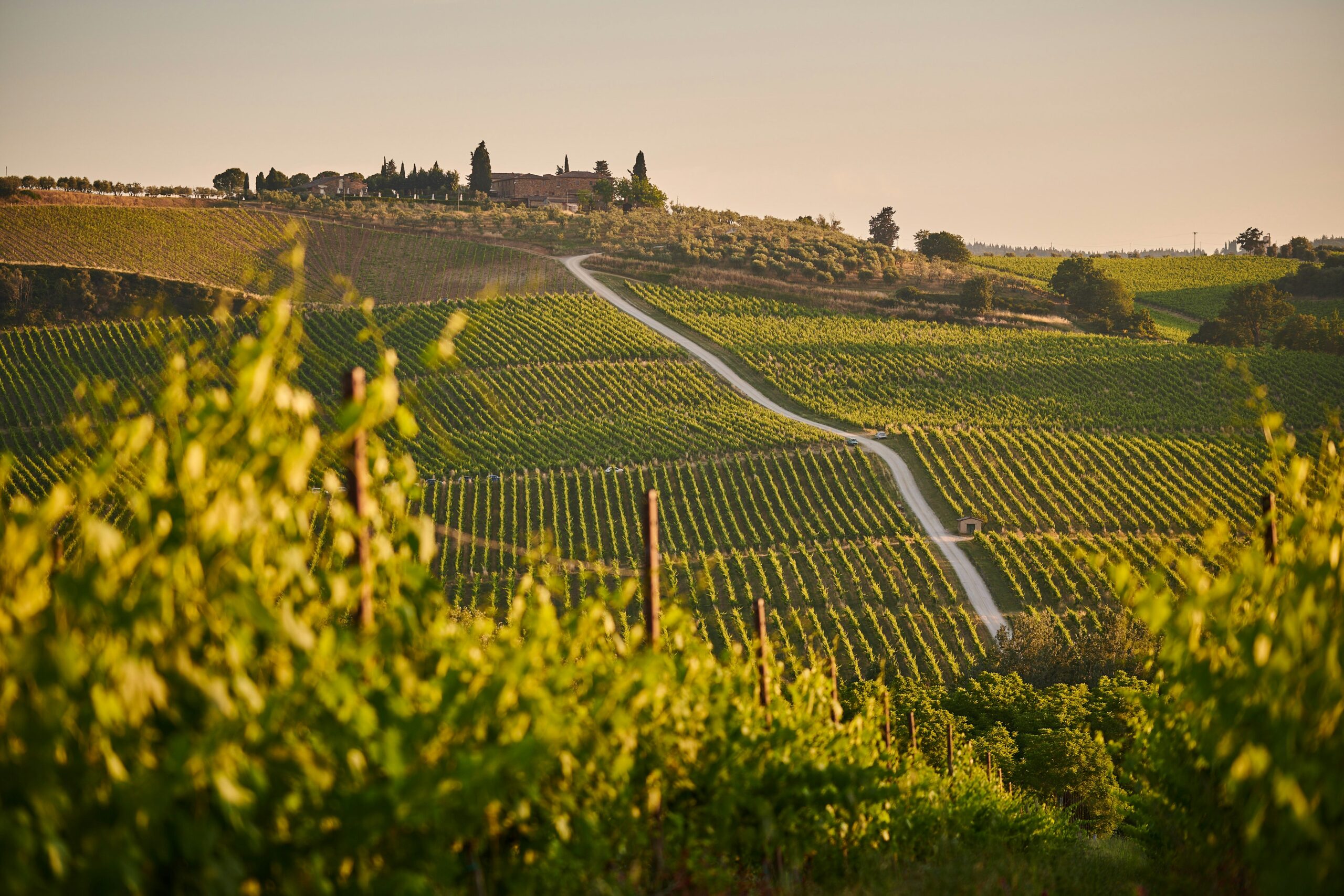
Anyone who takes a deeper interest in wine will, sooner or later, also become interested in the Working in the vineyard. At Weinbüro Felber, we work with winemakers in Switzerland, Italy, France and Spain on behalf of feiniwy.ch, and see first-hand just how much care, time and passion goes into every bottle.
Work in the vineyard throughout the year: from pruning to the grape harvest
Work in the vineyard throughout the year follow a clear rhythm. A winegrowing family’s calendar is based less on holiday periods than on the vine’s growth stages. Broadly speaking, a wine-growing year consists of:
- Winter: Pruning and preparation
- Spring: Bud break, soil care and frost protection
- Summer: Foliage management, grape thinning and plant protection
- Autumn: the grape harvest and the first tasks in the cellar
Each stage shapes the style, aroma and quality of the finished wine. If you want to know why a Pinot Noir from Graubünden seems so delicate and crisp, or why a Primitivo from Apulia is so full-bodied and sun-ripened, you need to understand the vineyard work involved. It’s also worth taking a look at our articles on grape varieties such as Pinot Noir or Chardonnay, in which we demonstrate how varietal character and site-specific viticulture interact.
Winter work: pruning, rest and planning
Whilst the vineyard appears bare and quiet, intense activity is taking place in the background Working in the vineyard. Once the leaves have fallen, winegrowers make use of the dormant season to prune the vines. This is what determines how much fruit a vine will bear in the coming year.
When pruning the vines, winegrowers remove most of the one-year-old wood, deliberately leaving fruit canes and buds in place. Fewer buds mean fewer grapes, but more concentrated must. On Switzerland’s steep slopes, such as in Valais, this stage alone requires an enormous amount of Hours spent on viticulture per hectare. The steep slopes, terraces and dry stone walls often make it impossible to use machinery; so, step by step, row by row, the work progresses through the vineyard.
At the same time, winegrowers are planning for the coming vintage: fertilisation strategies, soil management, and any potential switch to organic farming. Such decisions have a long-term impact – on soil health, biodiversity and the stylistic character of the wines you’ll eventually be enjoying in your glass.
Spring in the vineyard: bud break, soil preparation and frost protection
When the first „woolly stage“ buds appear in spring, a delicate phase begins. It is now that we see, how much work a vineyard involves, before the vines have even flowered.
Winegrowers loosen the soil, sow cover crop mixtures or roll in existing green manure. The aim is to strike a balance between nutrient supply, water retention and erosion control. Particularly in the Alpine region, with its steep slopes, well-planned soil management prevents soil runoff and ensures a steady supply of nutrients for the vines.
Late frost is a sensitive issue. If the temperature drops after budbreak, there is a risk of damage to the young shoots. In traditional wine-growing regions, frost candles, air circulators or targeted irrigation are used; on a smaller scale, smoke fires or deliberately keeping the soil exposed can help. Every measure involves extra hours of work, but also offers the chance to save a vintage.
Pruning in viticulture: fine-tuning for ripeness and style
As soon as the shoots have grown, the Pruning in viticulture takes centre stage. Work on the foliage screen is not for aesthetic purposes, but to achieve a balance between light, air and shade.
At the Pruning in the vineyard Helpers prune the shoots, remove duplicate or overly dense tendrils, and open up the cluster area. This affects:
- Ventilation: Dry grapes are less susceptible to fungal diseases.
- Sun exposure: More light leads to riper tannins and more complex aromas; however, excessive sun exposure leads to sunburn and harsh phenols.
- Yield: By defoliating and thinning the vines, the winegrower regulates the number of bunches per vine.
Statistically speaking, a female winegrower visits each vine a dozen times over the course of the year. Every decision regarding the foliage determines whether a Chardonnay will later display fresh citrus notes or creamy, ripe fruit; whether a Cabernet Franc will come across as cool and peppery or Mediterranean and smooth, as we describe in our grape variety profiles at Cabernet Franc and Cabernet Sauvignon explain.
A winegrower’s work in summer: pruning, protecting, tending
The classic The work of a winegrower In summer, this can be described as „companion to the vine“. Nature takes charge of the growth, whilst humans guide it with subtle touches.
Typical summer jobs include:
- Pruning out unnecessary shoots to direct the plant’s energy towards the desired fruiting canes
- Cluster thinning or „green harvesting“ to reduce the yield and increase concentration
- Plant protection, as targeted and restrained as possible
- Monitoring the vegetation to ensure it does not draw water away from the vines
Particularly in high-quality vineyards with low yields per hectare, this effort seems enormous at first glance. Yet every hour of labour is evident later in the glass: body, structure, freshness – all of this is created in the vineyard before the cellar even comes into play.
Table: Typical tasks in the vineyard by season
| Season | Key tasks in the vineyard | Impact on the wine |
|---|---|---|
| Winter | Pruning, stake and wire repairs, planning | Yield level, basic balance of acidity and sugar |
| Spring | Soil preparation, bud break regulation, frost protection | Vine health, uniform growth |
| Early summer | Pruning, tying up, breaking off, flower monitoring | A variety of aromas, superior grape quality |
| Late summer | Crop thinning, foliage management in the grape-bearing zone, ripening control | Maturity, tannin structure, finesse |
| Autumn | Grape harvest, sorting, transport to the cellar | Varietal purity, concentration, style |
Grape harvest: the highlight of the work in the vineyard
The Grape harvest marks the moment when all the decisions made up to that point come together. It is now that we see just how skilfully a family of winegrowers has managed the weather, the ripeness and the health of the grapes.
Hand-picking continues to be the norm for premium wines. Harvest teams make their way through the rows, cutting the grapes and sorting them whilst still in the vineyard. Rotten or unripe berries are not included in the harvest at all. This enhances the quality, but extends the Hours spent on viticulture per hectare considerably. Machine-based proofreading saves time, but is more suitable for larger volumes and less sensitive styles.
For connoisseurs like you, the difference is evident in the glass: clear, precise flavours, ripe tannins and a delicate acidity profile. Anyone wishing to explore the subject of wine styles in greater depth will find what they’re looking for in our guide Wine knowledge A wealth of information on dry, fruity or off-dry wines.
How much work does a vineyard really involve?
The question „How much work does a vineyard involve?“ This question comes up quite often, particularly amongst connoisseurs who are toying with the idea of taking over a small plot of vineyard. The answer depends on several factors:
- Sloping terrain or flat land
- Level of mechanisation (manual labour, tractor, tracked vehicles)
- Farming method (conventional, integrated, organic, biodynamic)
- Profit target and quality standards
In steep-slope viticulture in Switzerland or parts of Italy, it is not uncommon for thousands of working hours per year to be required per hectare. Many tasks that are carried out by machines on the flat require physical labour on the slopes. The question of work in the vineyard is therefore always also a question of appreciation for the people who carry out this work.
Work in the vineyard and the Bible: From parable to everyday life today
The term „Work in the vineyard“ in the Bible symbolises vocation, standing up for one another and working together. Anyone familiar with the parable of the labourers in the vineyard will quickly recognise parallels with modern-day viticulture:
- The vineyard as a habitat worthy of protection
- Work as a service to a greater cause
- Different contributions that nevertheless lead to a common result
For modern winegrowers, „working in the vineyard“ means taking responsibility for the soil, the climate and future generations. Many estates are switching to sustainable methods, reducing their use of chemicals and promoting biodiversity. When you buy Swiss wine at feiniwy.ch Wine from Switzerland Or, by choosing distinctive Italian wines, you’ll be supporting producers who are following this path.
Jobs and roles: Who works in the vineyard?
Who working in the vineyard will come across a variety of job titles. The classic question is: „What do you call someone who works in a vineyard?“
Common examples include:
- Winemaker: Responsible for vineyard work and the cellar
- Wine technologist: Greater focus on the cellar and ageing
- Vineyard Assistant: Focus on work in the vineyard
- Seasonal worker: Assistance with leaf clearance and the grape harvest
This picture is rounded off by female oenologists, agricultural engineers and consultants specialising in sustainable viticulture. For you, as a wine lover, the important thing to remember is that behind every bottle you buy at Buy feiniwy.ch online, are people with experience, specialist knowledge and great physical ability.
Work in the vineyard and wine selection: what does this mean for your choice?
Who the Working in the vineyard understands this, makes different choices when buying wine. Three observations can help you find your way around:
Firstly: Low yields per hectare usually mean more manual labour, but also wines with a more complex structure. In regions such as Tuscany or Ribera del Duero, this philosophy results in wines with distinctive character made from grape varieties such as Sangiovese or Tempranillo. At feiniwy.ch, we deliberately showcase such wines.
Secondly: Wines from steep slopes and terraced vineyards in Switzerland, Piedmont or the northern Rhône require more intensive cultivation. Anyone who buys, for example, a delicately structured Pinot Noir from cool vineyards is also investing in the preservation of a traditional cultural landscape.
Thirdly: Organic and sustainable vineyards involve more manual labour in the vineyard, but reduce the impact on the soil and the environment. The extra effort is reflected in the price, but also in the sense of satisfaction you get from the wine.
If you take the time to understand these concepts step by step, it will be easier to choose the right wines for a meal, as a gift or for your own collection. You’ll find inspiration in our guide articles on Wine as a gift or on the question of whether Whether red wine or white wine goes better with your meal.
Frequently asked questions about working in the vineyard
What are the working hours like in viticulture?
Working hours in viticulture follow the rhythm of nature, not rigid office hours. During labour-intensive periods such as leaf pruning, fruit thinning and the grape harvest, many winegrowers start early in the morning and work into the evening to make the most of the cooler temperatures and handle the ripe grapes with care. During quieter winter weeks, work in the vineyard focuses on pruning and can be planned more effectively. Seasonal workers who working in the vineyard, are experiencing this change particularly keenly.
When does work in the vineyard begin?
Work in the vineyard begins in winter. Depending on the region, winegrowers start pruning the vines, tying up the fruit-bearing canes and carrying out the first groundwork by January or February at the latest. From spring onwards, when the vines begin to bud, the Work in the vineyard throughout the year clearly: bud break regulation, frost protection measures and preparation for flowering and fruit set.
What do you call someone who works in a vineyard?
Someone who works in a vineyard as a profession is called a winegrower. In addition, there are viticultural practitioners, wine technologists and seasonal workers for pruning and the grape harvest. The term „vineyard worker“ is also used in everyday language, referring both to practical helpers and to those mentioned in the parable Work in the vineyard in the Bible appeals to.
What sort of work needs to be done in the vineyard?
Among the most important Working in the vineyard These include winter pruning, soil preparation and shoot regulation in spring, leaf pruning and tying up the shoots, plant protection and bunch thinning in summer, and selective grape harvesting in autumn. These core tasks are complemented by the maintenance of posts, wire systems, walls and paths. The sum of all these activities determines, how much work a vineyard involves and what standard of quality ends up in the glass.
How many working hours per hectare are required in viticulture?
The Hours spent on viticulture per hectare depend heavily on the region, the slope, the level of mechanisation and the quality objective. In flat, easily mechanised vineyards where mechanical harvesting is used, the effort required is significantly lower. In steep vineyards involving manual harvesting, intensive foliage management and reduced yields, the number of hours required per hectare is very high. For premium wines that require a great deal of manual labour in the vineyard, winegrowers devote many times more time each year than is required on large-scale, mechanised estates.
What role does pruning play in viticulture in terms of wine quality?
The Pruning in viticulture It regulates light, air and yield, and is therefore a key factor in wine quality. Careful pruning in the vineyard creates a well-ventilated canopy, which prevents disease, promotes the ripening of the grapes and has a positive effect on the wine’s aromatics. Particularly with high-quality varieties such as Pinot Noir, Cabernet Franc or Chardonnay, this work in the vineyard lays the foundation for finesse, clarity and length in the finished wine.
How are work in the vineyard and the grape harvest linked?
All Work in the vineyard throughout the year are geared towards the moment of the grape harvest. Pruning, soil management, leaf management and crop thinning lay the foundations for healthy, aromatic grapes. During the harvest, the selection process in the vineyard ensures that only ripe, healthy grapes make it to the cellar. The effort that winemaking families invest up to this point explains why wines with distinctive character from traditionally managed vineyards reach a different level to standardised mass-produced wines.
///Comment: Tips for external links for E-E-A-T (Note: depends on the language; here: de-DE)
- https://www.landwirtschaft.de/tier-und-pflanze/pflanze/wein/das-jahr-des-winzers – The official portal for agriculture in Germany, featuring a well-presented overview of the wine-growing year and the work of a winegrower. This fits in well with the section „Work in the vineyard throughout the year“.
- https://agriculture.public.lu/de/weinbau/rebenanbau/oekologischer-weinbau.html – Information page from the Luxembourg Ministry of Agriculture on organic viticulture; explores topics such as sustainable vineyard management and conversion to organic farming. Suitable for use following the section „Work in the vineyard and the Bible: From parables to everyday life today“, where sustainable management is mentioned.
- https://www.suedtiroler-weinstrasse.it/de/wein/weinherstellung.html – The official website of the South Tyrolean Wine Route, focusing on winemaking and vineyard work; it provides a clear and informative supplement to the description of the different stages of work. It is worth reading after the table setting out the seasonal tasks.
- https://www.suedtirolerland.it/de/video/ein-jahr-im-weinberg/ – A video portrait covering a year in the vineyard; it brings to life the stages described in the text. Recommended viewing after the section „Winter work: pruning, rest and planning“ as a more in-depth, emotional insight.
- https://www.cavesa.ch/de/definition/arbeiten-im-weinberg – A specialist portal containing definitions and detailed descriptions of tasks carried out in the vineyard, including information on working hours per hectare. This would be a suitable addition at the end of the FAQ section, particularly in response to the question about working hours per hectare.
Wines at fair and transparent prices
feiniwy.ch
- Sales
- Novelties
- Alcohol-free products
- Red wines
- White wines
- Rosé wines
- Sparkling wines/champagne
- Olive oil
Felber wine office
feiniwy.ch