

No products in the cart.
feiniwy.ch
Grape varieties - Tempranillo
- Wine knowledge
- All contributions
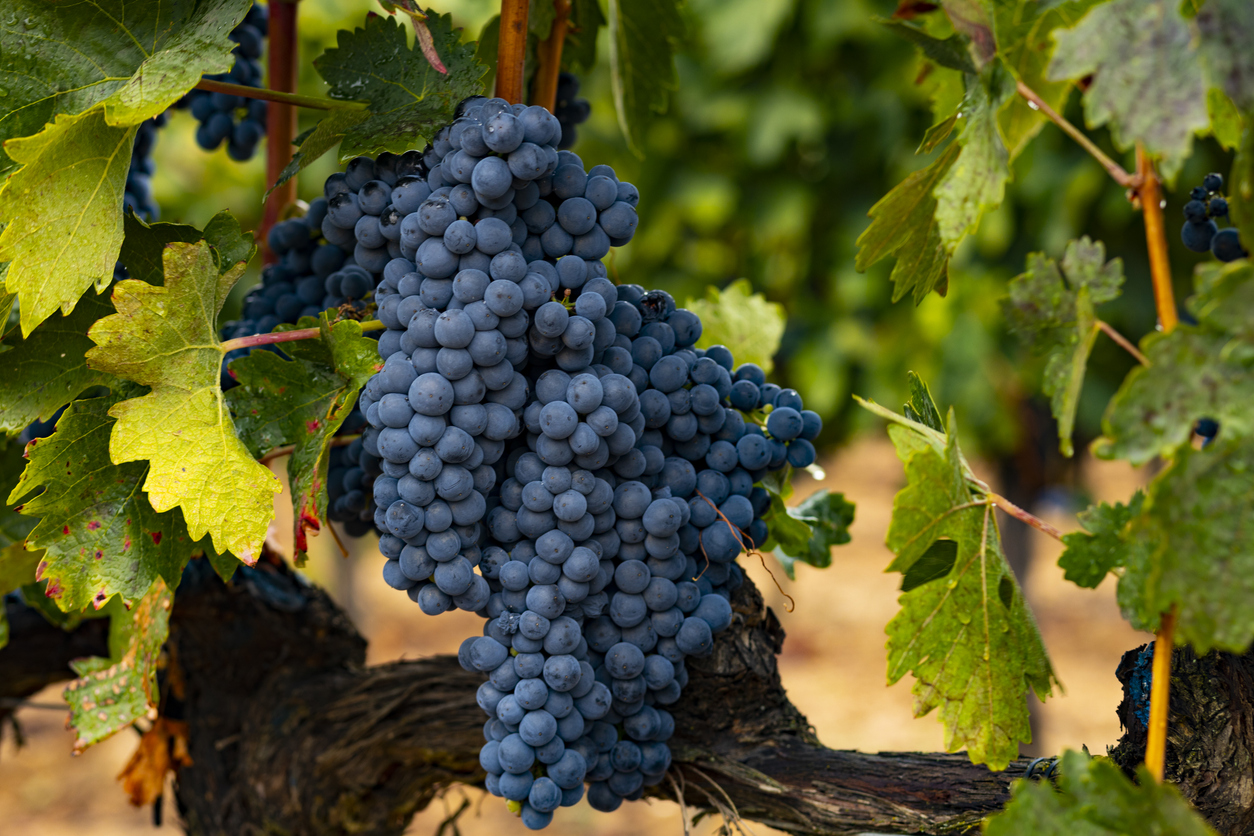
The Tempranillo grape variety stands for characterful, elegant Spanish red wine like no other grape. Rioja, Ribera del Duero, Toro or Navarra: Tempranillo is behind many of the most famous wines of the Iberian Peninsula - sometimes single-varietal, sometimes in a cuvée, sometimes fruity and young, sometimes matured for decades. In this comprehensive guide from the Felber wine office on feiniwy.ch get to know Tempranillo from the root to the glass and discover why this grape variety is so exciting for ambitious connoisseurs in Switzerland.
Tempranillo grape variety - origin, name and identity
The name Tempranillo is derived from the Spanish word „temprano“ for „early“. It aptly describes one of its most important characteristics: The vines ripen earlier than many other red varieties. In cooler or higher-altitude wine regions, this early ripening gives winegrowers a valuable climatic advantage.
The genetic origin of the Tempranillo grape variety is now well researched. Tempranillo originates from a natural cross between the white Albillo Mayor variety and the now rare red Benedicto variety. Both originate from the Ebro Valley in northern Spain, which supports Tempranillo's close connection to regions such as Rioja and Ribera del Duero.
However, Tempranillo is not a uniformly named star. Depending on the region, you will come across the grape variety under numerous synonyms:
- Tinta del País, Tinto Fino or Tinta Fina in Ribera del Duero and neighbouring areas
- Cencibel in La Mancha and parts of Castile
- Tinta de Toro in the DO Toro
- Ull de Llebre in Catalonia
- Aragonés or Tinta Roriz in Portugal, where Tempranillo also plays an important role for high-quality port wines
So if you read „Tinto Fino“ or „Tinta Roriz“ on a label, you are essentially drinking Tempranillo - just under a different name. This variety of names explains why search queries such as „Tempranillo German“ or „Other name for Tempranillo“ often come up. The grape variety remains the same, but the style and terroir vary.
Where Tempranillo is at home - most important growing regions
The Tempranillo grape variety is considered the leading variety in Spain. Spain has the largest vineyard area in the world, and Tempranillo accounts for a considerable proportion of this. There are also relevant areas in Portugal and smaller stocks overseas. For connoisseurs in Switzerland, the large Spanish regions of origin are of particular interest, where Tempranillo displays its character particularly impressively.
Rioja - classic and reference for Tempranillo wine
When wine lovers think of Tempranillo, many first think of Rioja. The area along the upper Ebro is roughly divided into Rioja Alta, Rioja Alavesa and Rioja Oriental. Different altitudes, soils and climatic influences lead to very different Tempranillo styles.
In Rioja, Tempranillo usually forms the backbone of the cuvées. It enters into a dialogue with Garnacha, Mazuelo (Cariñena) and Graciano. Depending on the ageing and degree of maturity, the style ranges from the fruity, fresh „Joven“ to the finely matured „Gran Reserva“.
Typical characteristics of a Rioja based on Tempranillo:
- Red fruit flavours such as cherry, plum and raspberry
- Spicy notes of vanilla, coconut, cedar and tobacco due to ageing in barriques (often American oak)
- fine acidity, medium to full body
- High ripening potential for the superior qualities
If you would like to get to know Tempranillo in its most classic form, it is worth taking a look at the category Spanish wine on feiniwy.ch. There you will find several Rioja wines with a Tempranillo focus, perfect for getting started.
Ribera del Duero - Tempranillo on the plateau
Ribera del Duero lies to the west of Rioja on a plateau along the Duero river. Cool nights, hot days and chalky soils characterise the terroir. The Tempranillo grape variety here is usually called Tinto Fino or Tinta del País.
Ribera del Duero wines often show Tempranillo from a more powerful, structured side than many Rioja wines:
- Intense dark fruit (blackberry, black cherry, blackcurrant)
- dense tannin, often longer ageing in French or American oak barriques
- Deep colour, distinctive structure, great ageing potential
Anyone searching for „The best Tempranillo wines“ often ends up with outstanding Ribera del Duero wines. On feiniwy.ch Red wines from Spain discover powerful examples that impressively demonstrate how complex Tempranillo can be.
Toro, Navarra and other Spanish regions
In addition to Rioja and Ribera del Duero, other regions play an important role in the Tempranillo cosmos:
- ToroVery old vines, often sandy soils, extreme continental climates. Tempranillo is called Tinta de Toro here and produces full-bodied, dark, spicy wines with high ageing potential.
- NavarreFormerly mainly a rosé region, today also known for modern, fruity Tempranillo wines, often blended with international varieties.
- La Mancha and CastileHuge vineyards, Tempranillo often referred to as Cencibel. Broad spectrum from simple everyday wines to ambitious quality wines.
- CataloniaUnder the name Ull de Llebre, Tempranillo can be found in various DOs, sometimes blended with Garnacha or international grape varieties.
For Swiss connoisseurs, availability in the shops also plays a role. Although Tempranillo wines from Denner, Coop or ALDI bring the grape variety to the masses, in the premium segment the carefully curated selection from specialised retailers such as feiniwy.ch remains the first port of call for Tempranillo varietal wines with a strong character.
Tempranillo outside Spain - Portugal and the New World
Even though Spain is the centrepiece of the Tempranillo world, winemakers in other countries rely on this grape variety:
- PortugalUnder the synonyms Aragonés and Tinta Roriz, Tempranillo characterises dry red wines, especially in Alentejo and the Douro Valley, and plays an important role in many port cuvées.
- OverseasSmaller but stylistically exciting plantations can be found in Argentina, California, Australia and South Africa. They show how Tempranillo reacts under different climatic conditions.
Tempranillo from overseas remains a niche product. For connoisseurs in Switzerland, Spanish and Portuguese wines take centre stage - their wealth of styles covers everything from uncomplicated everyday wines to long-lasting top-quality wines.
Character and flavours - how Tempranillo works in the glass
What does the Tempranillo grape variety so interesting from a sensory point of view? The answer lies in the interplay of fruit, flavour, tannin and ageing potential. Tempranillo reacts sensitively to terroir, yield level and ageing. This is precisely what enables an impressive stylistic range.
The Tempranillo fruit - red cherries to black berries
The typical Tempranillo fruit spans an arc from red to dark flavours, depending on the degree of ripeness and origin:
- young, fruity wines: red cherry, strawberry, plum, raspberry
- warmer or more extracted wines: black cherry, blackberry, blackcurrant
- with bottle ripeness: dried fruit such as fig, date, dried plum
This fruit is often complemented by earthy, spicy or balsamic notes such as tobacco, leather, liquorice, black pepper or dried herbs. This complexity explains why Tempranillo is often compared to Cabernet Sauvignon or Sangiovese - powerful, structured, yet with its own unmistakable signature.
Barrique, vanilla and structure - Tempranillo and wood
Tempranillo tolerates ageing in wooden barrels extremely well. Spanish winemaking tradition has long worked with American oak, which contributes flavours of vanilla, coconut, dill and sweet smoke. Many modern wineries rely additionally or exclusively on French oak, whose flavours tend towards cedar, cigar, dark chocolate and fine roasted notes.
The Spanish maturity information gives you an indication of how intensively wood and bottle maturity have characterised the wine:
| Designation | Typical expansion | Stylistics of the Tempranillo wine |
|---|---|---|
| Joven | Without or with a very short wood extension | Fruity, juicy, accessible, little tannin |
| Crianza | at least 1 year in wooden barrels (depending on DO) | Balanced fruit-wood-spice, medium body, versatile |
| Reserva | Matured longer in wood and in the bottle | complex, spicy, ripe tannin, good storage potential |
| Gran Reserva | Long wood and bottle ageing (several years) | Developed flavours, fine texture, long shelf life |
If you are planning a menu or looking for a wine that is already a pleasure to drink, a Tempranillo Crianza from Rioja or Ribera del Duero often offers the best balance. For the wine cellar or special occasions, it is worth reaching for Reserva and Gran Reserva.
Tempranillo in the mouth - structure, tannin and acidity
In the mouth the Tempranillo grape variety usually have a medium to full body, moderate alcohol and noticeable, often very fine-grained tannins. The acidity is in the medium range, even slightly higher in cooler regions such as Rioja Alavesa or in higher-lying parcels. This combination makes Tempranillo an excellent accompaniment to food.
A well-made Tempranillo wine makes an impact on the palate:
- compact and focussed, not overripe or jammy
- clearly structured, with a defined tannin framework
- harmonious when fruit, acidity and wood are in balance
Depending on its origin, Tempranillo tends to be silky (typical of many classic Rioja wines) or powerful with a distinctive tannin structure (common in Ribera del Duero and Toro). In our article on Pinot Noir as a grape variety you see the antithesis of the Tempranillo style: delicate, acidic, with very fine tannins. Tempranillo is more on the structured side of the spectrum.
Viticulture and climate - how Tempranillo works in the vineyard
To help you categorise the Tempranillo grape variety correctly, it is worth taking a look at the vineyard. Many of the characteristics that you perceive in the glass have their origins in the interplay between the grape variety and the location.
Prematurity and sensitivity - opportunities and challenges
Tempranillo sprouts relatively early and ripens early. This characteristic brings advantages and risks:
- AdvantageTempranillo reliably reaches physiological ripeness in cooler regions or higher vineyards long before the autumn rains set in.
- RiskSpring frosts can damage young shoots if the vine sprouts too early. Tempranillo also reacts sensitively to extreme heat and drought stress.
With the warming climate, many wine-growing regions are faced with the task of cultivating Tempranillo in such a way that freshness, structure and balance are maintained. Prolonged dry periods and heatwaves otherwise lead to overripe grapes with high sugar levels and decreasing acidity. Winegrowers counteract this with adapted foliage work, alignment of the rows, selective harvesting and - where permitted - higher or north-facing vineyards.
Soils and terroir - why Tempranillo loves lime
Tempranillo thrives particularly well on soils with a lime content, clay-limestone or marl. These types of soil store water without causing waterlogging and provide exactly the mineral supply that Tempranillo needs for balanced ripeness.
In Rioja Alavesa and parts of Ribera del Duero, calcareous soils characterise many top wines:
- Tight but elegant tannin structure
- Precise fruit without overripeness
- Fine, often salty or chalky nuances on the finish
Sandier soils usually produce softer, fruit-orientated Tempranillo wines, while clay-rich soils produce stronger, more voluminous wines. For wine lovers, it is worth taking a closer look at the label and description: High altitudes, calcareous plots or old vines are good indicators of Tempranillo with depth and ageing potential.
Yield and vine age - why less is often more
Tempranillo can produce high yields. Many wineries utilise this characteristic for simple everyday wines, resulting in lighter, uncomplicated Tempranillo wines, such as those found in large supermarket chains. For top quality wines, ambitious wineries drastically reduce the yield per vine, working with very old vines and selective harvesting.
Old Tempranillo vines with a low yield:
- more concentrated flavours
- more complex tannin structure
- more pronounced terroir profile
In our range on feiniwy.ch Buy red wine you will find numerous examples where old Tempranillo vines or highly selective harvesting take centre stage. Such wines make excellent gifts for connoisseurs - an exciting addition to the recommendations in our guide Wine as a gift.
A comparison of styles - how Tempranillo tastes depending on the region
Tempranillo is not just Tempranillo. Anyone who takes a closer look at this grape variety quickly realises that its origin, ageing and wine philosophy have a greater influence on its style than many other varieties. The following types will help you orientate yourself.
Fruity, young Tempranillo wines for every day
Many bodegas deliberately bottle Tempranillo early, without prolonged ageing in wood. These wines are often labelled „Joven“ or „Roble“ (short barrel ageing). They are ideal as an uncomplicated accompaniment to food or as an introduction to the world of Tempranillo.
Typical properties:
- red cherry, strawberry, fresh plum
- soft tannins, medium body
- Subtle or no roasted flavours at all
- Serving-friendly drinking temperature around 15-16 °C
You can often find such wines in Switzerland as Tempranillo wines at Denner, Coop or ALDI. They are ideal for everyday moments and uncomplicated pasta dishes. However, if you want to experience the full depth of the Tempranillo grape variety, feiniwy.ch offers carefully selected, characterful alternatives from renowned vineyards and top wineries.
Crianza - the backbone of many Tempranillo fans
The „Crianza“ quality level is the happy medium for many Tempranillo lovers. These wines mature longer in the barrel and in the bottle than Joven, but remain easy to drink and versatile.
A typical Tempranillo Crianza awaits you on the palate:
- Fruity notes of cherry and plum, complemented by vanilla, cedar and light roasted flavours
- Medium to full body, well-integrated tannins
- Pleasant drinking maturity just a few years after the harvest
Many of the „best Tempranillo wines“ in the medium price range belong to this category - they offer an excellent ratio of enjoyment value to price and are an ideal accompaniment to typical Mediterranean cuisine.
Reserva and Gran Reserva - Tempranillo with patience
The Tempranillo grape variety is a treasure for lovers of mature wines. Rioja and Ribera del Duero have a long tradition of ageing in wooden barrels and in the bottle. A Gran Reserva Rioja aged for 10 or 15 years can develop aromas of the calibre of great Bordeaux or Barolo wines - only with a Spanish accent.
Characteristics of mature Tempranillo Reserva and Gran Reserva:
- Flavours developed: leather, cigar box, dried fruit, forest floor, dried herbs
- Very fine, silky tannin
- Harmonious, long finishes
Experienced wine connoisseurs appreciate such wines for quiet moments of enjoyment in which the wine takes centre stage. If the food, glasses, temperature and company are right, the result is a wine moment that will live long in the memory.
Food pairing - which Tempranillo wine goes with which dish?
A great strength of the Tempranillo grape variety is its versatility at the table. From tapas to barbecues to festive menus - Tempranillo accompanies many dishes with natural ease. If you combine the structure of the wine and the dish wisely, you will achieve harmonious pairings that enhance both sides.
Classic combinations with Tempranillo
Tempranillo works almost intuitively with typical Spanish dishes:
- Tapas with Jamón Ibérico, chorizo or albondigasCrianza or Roble wines from Rioja or Navarra with a fruity flavour balance out the spiciness of the food.
- Braised leg of lamb, ossobuco, beef stewStructured Tempranillo wines with noticeable tannin (Ribera del Duero, Toro) give the dish a backbone.
- Grilled dishes with beef, lamb or Iberico porkSmoky barbecue flavours and roasted aromas from the barrique merge into a harmonious overall picture.
- Mature hard and semi-hard cheesesTempranillo Reserva or Gran Reserva accompanies mature Manchego, Gruyère or Sbrinz with elegance.
In our guide Wine and cheese - the best pairings for gourmets you will find more in-depth inspiration on how to combine Tempranillo with different types of cheese.
Tempranillo in the context of European cuisine
Tempranillo also shows its strengths outside of Iberian cuisine. Thanks to its structure, it is an excellent accompaniment to many dishes that require a strong red wine:
- Italian cuisinePasta with ragù, pizza with spicy salami, lasagne - a Tempranillo Crianza is a charming partner when you want to pour something other than Sangiovese or Barbera. In the article Italian wine see how Tempranillo style compares to Italian classics.
- Swiss cuisineBoiled meat, meatloaf, roasts with dark sauce or mushroom dishes benefit from the earthy, spicy flavour of many Tempranillo wines.
- Autumn and game dishesDishes with venison, deer, wild boar or duck harmonise with concentrated, slightly mature Tempranillo wines.
If you are unsure whether Red wine or white wine better suits your menu, it's worth taking a look at our guide. There you will find the overarching framework in which you can use Tempranillo as a powerful but elegant red wine.
Buying Tempranillo - what to look out for when shopping
The market offers a wide range of Tempranillo - from inexpensive everyday wines to sought-after collector's items. For connoisseurs in Switzerland, the question is how to find the quality that meets your expectations.
Supermarket or specialist - Tempranillo in Switzerland
Tempranillo wine at Coop, Denner or ALDI symbolises an introduction to the grape variety: accessible, fruity red wines with Tempranillo as the main ingredient, often Joven or simple Crianza. They work as uncomplicated accompaniments for pizza, pasta or raclette.
Those looking for „The best Tempranillo wines“, on the other hand, attach importance to origin, producer personality and terroir. This is where feiniwy.ch's curated selection shows its strength. As a specialised online shop for Buy wine online The Felber wine office concentrates on characterful wines with a clear signature - from selected Rioja Reservas to powerful Ribera del Duero growths.
Our tip: With Tempranillo, look specifically for the location, vine age, ripeness (Crianza, Reserva, Gran Reserva) and the signature of the winery. This information says more about the quality than a big brand name.
Price levels and quality grades for Tempranillo
A rough distinction can be made between three price and quality ranges:
- Basic areaSimple Tempranillo wines for everyday drinking, usually between 8 and 15 francs. Fruit-orientated, uncomplicated, matured briefly or not at all in wood.
- upper middle classCrianza and many Reservas from renowned producers in the 15 to 40 franc range. Good interplay of fruit, wood and structure, ideal for food and smaller occasions.
- Top rangeSite wines, top Reservas and Gran Reservas, some single-vineyard cuvées from very old vines. Prices from 40 francs upwards, but with complex flavours, long ageing potential and often great individuality.
At feiniwy.ch you will find carefully selected wines from all three segments. The focus is on wines that offer a harmonious price-pleasure ratio - regardless of whether it is a young, juicy Tempranillo or a mature icon.
Tempranillo and other grape varieties - comparisons and contrasts
Many wine lovers ask themselves: What is Tempranillo most comparable to? A meaningful comparison helps you to categorise your own taste more quickly.
Tempranillo vs. Cabernet Sauvignon
Cabernet Sauvignon is regarded worldwide as the benchmark for red wines that emphasise structure. Tempranillo shares some characteristics with it, for example:
- noticeable tannin
- Shelf life
- Affinity for barrique ageing
In contrast to many Cabernets, Tempranillo often has a softer acidity, darker but less cassis-influenced fruit and a stronger connection to earthy, tobacco and leathery flavours. In direct comparison, Tempranillo has a more Mediterranean flavour, while Cabernet is more reminiscent of dark berries and graphite.
Tempranillo vs. Sangiovese and Pinot Noir
Sangiovese (Chianti, Brunello di Montalcino) and Tempranillo share a love of food: Both grape varieties accompany a wide variety of dishes with natural ease. Sangiovese often has a higher acidity, while Tempranillo is more reminiscent of barrique-influenced red wines from Bordeaux due to its tannin structure and wood flavours.
Compared to Pinot Noir Tempranillo shows more power, tannin and weight in the mouth. Pinot Noir, on the other hand, has a more delicate, acidic and Burgundian flavour (red berries, violets, undergrowth). Those who like Pinot Noir and are looking for something stronger often also develop a preference for elegant, rather cooler Tempranillo wines from Rioja Alta or Rioja Alavesa.
Serving temperature, glass selection and storage of Tempranillo
Even the best Tempranillo wine will only fulfil its potential if the temperature, glass and storage conditions are right. With just a few simple steps, you can get the maximum out of every bottle.
Serving temperature and ventilation
Tempranillo drinks most harmoniously at room temperature:
- fruity Joven or Roble wines: 14-16 °C
- Crianza, Reserva, Gran Reserva: 16-18 °C
Stronger Ribera del Duero wines in particular benefit from careful aeration in the carafe. An hour of air brings structure and flavours into balance. Very mature, fragile Gran Reservas, on the other hand, should be handled with care: gentle decanting to remove sediment and then immediate enjoyment in the glass.
Glass selection - room for Tempranillo
Tempranillo develops best in bulbous red wine glasses with a slightly tapered opening. This shape gives the flavours room to develop and concentrates the aromas in the upper part of the glass. A classic Bordeaux or universal red wine glass works perfectly.
Storage in private households
Many Tempranillo wines are ready to drink when they come onto the market. However, high-quality Crianza, Reserva and Gran Reserva wines gain in complexity over the years. For home storage, the tried and tested principles that we describe in our Blog articles on wine storage in more detail:
- constant, rather cool temperature (ideally 12-16 °C)
- Darkness to avoid light damage
- Bottles lying flat with cork stopper so that the cork does not dry out
Under optimal conditions, many Tempranillo Reservas and Gran Reservas mature for 8-15 years or longer without losing their freshness. It is particularly worthwhile for collectors to buy the same wines in several vintages or bottles in order to experience the development in the glass.
Tempranillo for beginners, connoisseurs and collectors - how to find the right style
The diversity of the Tempranillo grape variety is a blessing - and occasionally a challenge. To make your choice easier, we have outlined a few profiles from the Felber wine office that have often proved successful with our customers.
For beginners - fruit-orientated accessibility
If you are rediscovering Tempranillo, we recommend:
- young Tempranillo wines from Rioja or Navarra
- Crianza with moderate wood
- Wines with the grape variety „Tempranillo“ clearly stated on the label
These wines show the typical Tempranillo fruit without overwhelming the palate with tannin or wood. Ideal for sociable evenings, uncomplicated meals and as an introduction to Spanish wine culture.
For experienced connoisseurs - structure and terroir
Are you already familiar with Tempranillo and are looking for character and depth? Then focus on the following styles:
- Ribera del Duero with Tinto Fino from high altitude vineyards
- Single vineyard reserves from Rioja Alta or Rioja Alavesa
- Tempranillo cuvées with Graciano or Garnacha for additional flavour and freshness
This is where the experience of a curating retailer really comes into its own. At feiniwy.ch, we taste many of these wines ourselves before adding them to our range. This results in a selection that offers genuine stylistic diversity rather than „more of the same“.
For collectors - maturity and rarities
Tempranillo is ideal for building up a small collection. Mature Reservas and Gran Reservas offer a fascinating alternative to classic collection themes such as Bordeaux, Barolo or Burgundy.
Exciting collecting strategies:
- Vertical collection of a winery over several vintages
- Comparison of different regions (Rioja vs. Ribera del Duero vs. Toro)
- combination of Tempranillo and other grape varieties, for example in comparison to Chardonnay or Pinot Noir to build up a versatile portfolio
For specific recommendations on Tempranillo grape variety wines with storage potential, we at Weinbüro Felber will be happy to advise you.
Frequently asked questions about the Tempranillo grape variety
Are Rioja and Tempranillo the same thing?
No, Rioja and Tempranillo are not the same thing. Rioja refers to a protected region of origin in the north of Spain, while Tempranillo is a grape variety. In many Rioja red wines, Tempranillo makes up the majority of the cuvée, supplemented by grapes such as Garnacha, Mazuelo and Graciano. This is why many wine lovers automatically associate Rioja with the Tempranillo grape variety, but legally Rioja remains a designation of origin and not a grape variety name.
What is Tempranillo most comparable to?
Tempranillo is best compared to red wines made from Cabernet Sauvignon or Sangiovese. Like Cabernet, Tempranillo shows noticeable tannin, clear structure and suitability for ageing in barriques. At the same time, its versatility at the table is reminiscent of Sangiovese, for example when paired with pasta, braised dishes or Mediterranean cuisine. In contrast to Pinot Noir, Tempranillo usually has more body and tannin, but shares its ability to reflect terroir and maturity at a high level in the premium segment.
What is the name of the Tempranillo grape?
The Tempranillo grape variety has different names depending on the region. In Ribera del Duero it is called Tinto Fino or Tinta del País, in La Mancha and Castile Cencibel, in Toro Tinta de Toro, in Catalonia Ull de Llebre. In Portugal you will encounter Tempranillo as Aragonés or Tinta Roriz, where the grape also plays an important role in port cuvées. These names always refer to the same Tempranillo grape variety, which produces different Tempranillo wines depending on the terroir and ageing process.
What kind of wine is Tempranillo?
Tempranillo is a red grape variety, from which predominantly dry red wines are made. Typical Tempranillo wines show flavours of cherry, plum and berries, often complemented by vanilla, tobacco or leather, especially when aged in barriques. The grape variety characterises many of the best-known Spanish red wines from Rioja, Ribera del Duero and Toro. There are also rare varieties such as Tempranillo Blanco, which produce white wine, but the focus is clearly on the structured, storable red wine based on the Tempranillo grape variety.
Which growing regions are the most important for Tempranillo?
The most important Tempranillo growing regions are located in Spain. Rioja, Ribera del Duero, Toro, Navarra, La Mancha and parts of Catalonia are particularly noteworthy. In these regions, you will find the entire spectrum from fruity, young to sophisticated, mature Tempranillo wines. Outside of Spain, Tempranillo plays an important role as Tinta Roriz or Aragonés in Portugal, especially in the Douro Valley and Alentejo. Smaller plantations in Argentina, California or Australia complete the picture, but remain niche phenomena compared to the Spanish core region.
What should I look out for when buying Tempranillo wine?
When buying Tempranillo wine, pay particular attention to the origin, ripeness and signature of the producer. Designations such as Rioja, Ribera del Duero or Toro refer to different styles of the Tempranillo grape variety. Designations such as Joven, Crianza, Reserva or Gran Reserva indicate the duration of barrel and bottle ageing and thus the structure and flavour. A specialised retailer such as feiniwy.ch curates the range so that you can find Tempranillo wines with a harmonious price-pleasure ratio - from accessible everyday wines to complex storage wines.
What dishes does Tempranillo harmonise particularly well with?
Tempranillo wine is an excellent accompaniment to a wide range of savoury dishes. Classics include tapas with jamón ibérico, chorizo or albondigas, braised lamb dishes, beef and game dishes, as well as pasta with ragù or savoury pizzas. Thanks to its structured but mostly harmonious tannin and acidity structure, Tempranillo accompanies many dishes that require a full-bodied red wine. In combination with mature hard cheeses, the Tempranillo grape variety also shows its strengths as a cheese companion, as we explain in more detail in our guide to wine and cheese pairings.
///Comment: Tips for external links for E-E-A-T (Note: translate this depending on the language in which you are writing the text. Language: de-DE)
- https://www.oiv.int/en/technical-standards-and-documents/statistical-analysis - Statistics from the International Organisation of Vine and Wine (OIV) on acreage and grape varieties worldwide. Recommendation: Insert link in the section on Tempranillo growing regions to underpin the importance of Spain and Tempranillo with figures.
- https://www.winesofspain.com/ - Official information platform on Spanish wine with background information on Rioja, Ribera del Duero and other regions of origin. Recommendation: Place a link in the section „Where Tempranillo is at home“ to provide further information on regions.
- https://www.riojawine.com/en/ - Official website of the DOCa Rioja with detailed information on grape varieties, classification (Crianza, Reserva, Gran Reserva) and terroir. Recommendation: link to the table on ageing in wooden barrels.
- https://www.riberadelduero.es/en - Official portal of the DO Ribera del Duero with information on climate, soils and grape varieties (Tinto Fino/Tempranillo). Recommendation: include in the section on Ribera del Duero as a Tempranillo stronghold.
- https://www.portuguesewines.org/ - Information platform on Portuguese wines with data on Tinta Roriz/Aragonés and its role in Douro and Port wine. Recommendation: add to the section on Tempranillo outside Spain.
- https://www.awri.com.au/industry_support/winemaking_resources/sensory-assessment/ - Specialist portal of the Australian Wine Research Institute for the sensory evaluation of wine (flavour, structure, tannin). Recommendation: link in the section on flavours, tannin and mouthfeel of Tempranillo to strengthen the sensory descriptions scientifically.
Wines at fair and transparent prices
feiniwy.ch
- Novelties
- Alcohol-free products
- Red wines
- White wines
- Rosé wines
- Sparkling wines/champagne
- Olive oil
Felber wine office
feiniwy.ch