

No products in the cart.
feiniwy.ch
Alcoholic fermentation
- Winemaking in the cellar
- All contributions
Even before the grapes arrive in the cellar, we at the Felber wine office think about the Alcoholic fermentation. It decides whether fine grape juice is turned into a wine full of character that really touches your palate.
What alcoholic fermentation means for wine
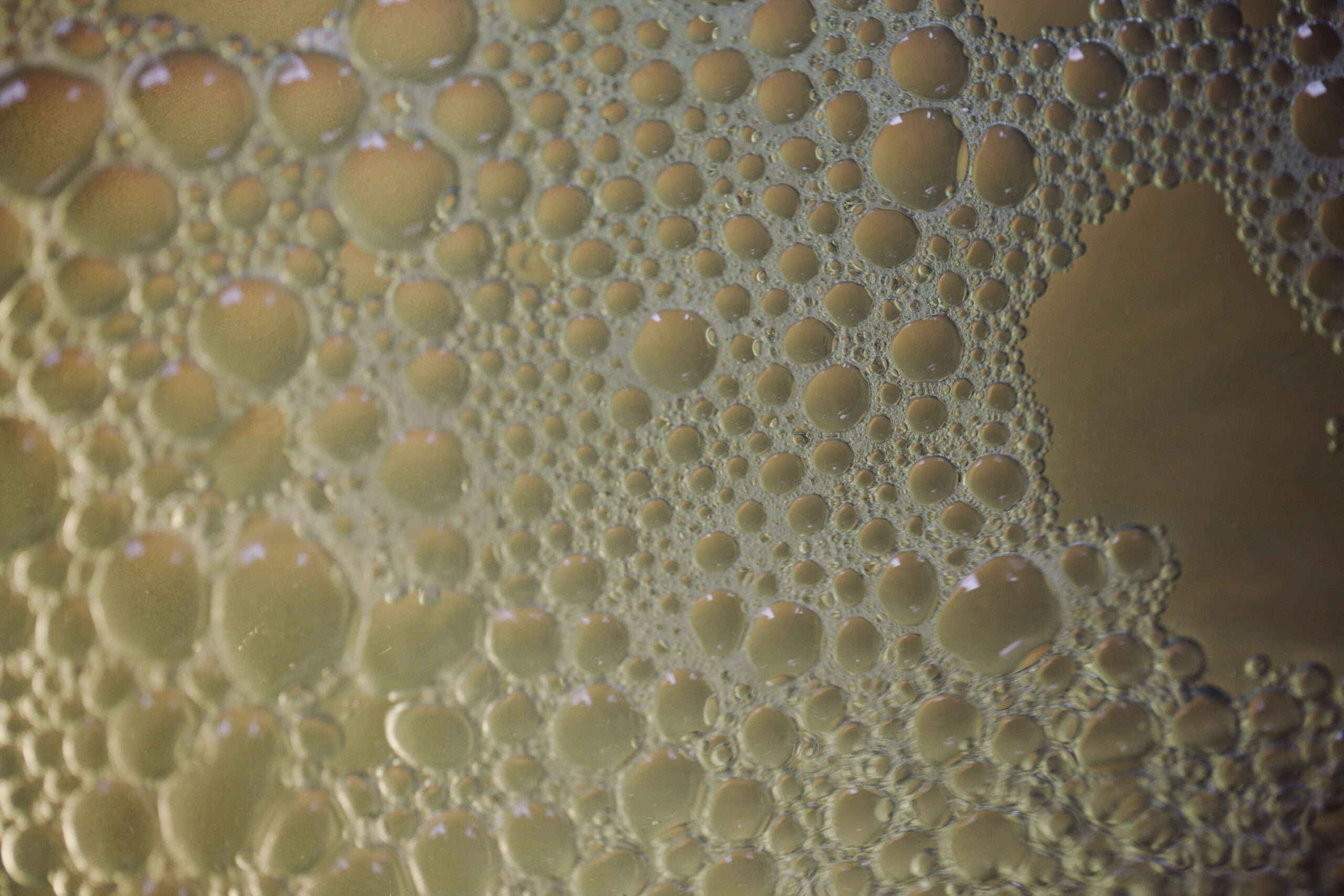
During alcoholic fermentation, yeasts convert the natural sugar in the grapes into ethanol and carbon dioxide. Chemically, the Reaction equation of alcoholic fermentation roughly the path from glucose to alcohol, CO₂ and energy. For you as a wine lover, it's the result that counts: structure, alcohol content, texture and aromatic depth in the glass.
Alcoholic fermentation process in the wine cellar
After the gentle pressing of the grapes usually ferments white wine cool in stainless steel tanks, red wine on the skins. The yeast - spontaneous from the vineyard or as selected pure yeast - starts the fermentation process. Alcoholic fermentation process. Temperature and time determine the style: cooler ageing preserves citrus and herbal notes, warmer fermentation creates density, ripe fruit and flavour. At feiniwy.ch you will find suitable references among our Red wines and White wines.
Yeast, temperature and style
Alcoholic fermentation with yeast and sugar sounds technical, but describes the creative scope of the winemaker. Wild yeasts from the vineyard lend individuality, pure yeasts bring precision. Fermentation temperatures of around 16-20 °C for white wines and up to around 28 °C for red wines create flavour profiles that range from juicy, fruity charm to complex, spicy structure. Especially in the premium segment, as you know it from Feiniwy, experienced wineries control the fermentation very consciously.
Alcoholic fermentation and further vinification steps
Once alcoholic fermentation is complete, malolactic fermentation often follows, the biological acid reduction that rounds off red wines and gives some white wines a creamy fullness. Ageing in steel tanks, large wooden barrels or barriques develops the flavours that were created during the fermentation phase. Those who understand the processes can read the background in the descriptions of our characterful cuvées and grape variety portraits, for example on Cabernet Sauvignon or Pinot Noir, with even more pleasure.
| Fermentation style | Typical temperature | Flavourful result |
|---|---|---|
| Cool fermentation in steel tanks | approx. 14-18 °C | Fresh fruit, clarity, precision |
| Warmer red wine fermentation on the skins | approx. 24-30 °C | Dense structure, tannin, ripe flavours |
FAQ on alcoholic fermentation in wine
What does the yeast do during alcoholic fermentation?
Yeast metabolises the grape sugar into alcohol and carbon dioxide. At the same time, fermentation flavours are created that shape the character of the wine. Without this alcoholic fermentation, the must remains sweet juice - with it, structured wine is produced.
What is the chemical reaction equation of alcoholic fermentation?
In simple terms, the reaction equation of alcoholic fermentation is as follows: glucose is converted into ethanol and carbon dioxide. In the wine cellar, this formula is based on a sensitively controlled process in which temperature, yeast strain and time shape the profile of each wine.
What are some examples of alcoholic fermentation?
Typical examples of alcoholic fermentation are wine, beer, cider and mead. At Feiniwy, we are particularly interested in the alcoholic fermentation of grape must, from which our carefully selected white wines, red wines and sparkling wines are made.
What is alcoholic fermentation simply explained?
Alcoholic fermentation means that yeast converts sugar into alcohol and carbon dioxide. In winemaking, it transforms grape juice into wine, influences alcohol content, body and flavours and thus forms the heart of every vinification process.
///Comment: Tips for external links for E-E-A-T (Note: translate this depending on the language in which you are writing the text. Language: de-DE)
- https://www.chemie.de/lexikon/Alkoholische_G%C3%A4rung.html - Dictionary entry on alcoholic fermentation with a chemical focus; link after the section „What alcoholic fermentation means in wine“.
- https://flexikon.doccheck.com/de/Alkoholische_G%C3%A4rung - Medical-biological overview of alcoholic fermentation; suitable after the explanation of the reaction equation.
- https://www.delinat.com/gaerung.html - Specialist article on fermentation in winemaking with practical relevance; useful after the section „Alcoholic fermentation process in the wine cellar“.
- https://steiermark.wine/wissenswert/weinherstellung/ - Overview of winemaking with a focus on fermentation; suitable as a continuative link after the FAQ entry.
- https://www.weinhalle.de/lexikon/gaerung.html - In-depth study of fermentation in viticulture with a view to stylistics; recommendation after the section „Yeast, temperature and stylistics“.
Wines at fair and transparent prices
feiniwy.ch
- Sales
- Novelties
- Alcohol-free products
- Red wines
- White wines
- Rosé wines
- Sparkling wines/champagne
- Olive oil
Felber wine office
feiniwy.ch