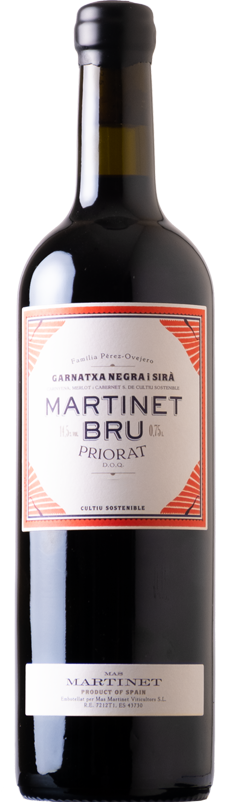
The wine region Priory (Catalan: DOQ Priory, Spanish: Priorato) in the hinterland of Tarragona in Catalonia is one of the most most exclusive and high-quality wine-growing regions in the world. Together with Rioja, Priorat is the only region in Spain to have been awarded the highest Spanish quality level. DOCa / DOQ (Qualified Designation of Origin) may wear.
The Ribera del Duero wine region stands for Spanish red wines with depth, dark fruit, firm structure and astonishing freshness.
Anyone looking to buy Ribera del Duero wine is not usually looking for an everyday wine without a profile. They are looking for bottles with origin, character and ageing potential. This is exactly where the selection from Weinbüro Felber comes in: We choose wines that clearly demonstrate the style of the region, from the accessible Crianza to the great Reserva.
Why the Ribera del Duero wine-growing region tastes so unique
The Ribera del Duero wine region is located in the north of Spain, in Castile and León, along the River Duero. The vineyards stretch for around 115 kilometres through parts of the provinces of Burgos, Valladolid, Soria and Segovia. Many of the vineyards are located at high altitudes, in some cases well above 700 metres, with some sites even exceeding 1,000 metres.
This altitude characterises the wine. During the day, the grapes ripen under the strong sun, while the air cools down considerably at night. The berries retain acidity, develop thick skins and provide colour, tannin and aroma. The result: red wines with pressure, ripeness and tension.
If you are looking for Spanish wines with more of an origin profile, it is worth taking a look at our selection of Spanish red wines. Ribera del Duero plays a special role there because the region combines strength and elegance amazingly well.
Tempranillo: the soul of the Ribera del Duero
The most important variety of Ribera del Duero wine region is called Tempranillo. Locally, the grapes have other names: Tinto Fino or Tinta del País. These local varieties have smaller berries, firmer skins and a different expression than many Tempranillo wines from warmer regions of Spain.
Typical flavours range from blackberry, black cherry and plum to tobacco, leather, cocoa, cedar and spicy notes. Good winemakers do not cover up the fruit with wood. They use barriques in a targeted manner so that structure, freshness and origin come together.
If you would like to understand the grape variety better, you will find more information in our article on the Tempranillo grape variety in-depth information on origin, style and flavour.
Ribera del Duero red wine varieties: which vines are permitted
The Red wine varieties Ribera del Duero are clearly centred around Tempranillo. The rules of origin require a high proportion of this variety in red wines. Cabernet Sauvignon, Merlot and Malbec complement some cuvées, usually in small proportions. Garnacha Tinta and Albillo Mayor are even more reserved.
Albillo Mayor deserves attention. The white variety was long regarded as a quiet companion, but today it shows its value in small quantities: it can give red wines flavour, juiciness and a finer contour. It remains rare as a pure white wine, but is becoming increasingly exciting in the region.
Grape variety
Role in the region
Typical contribution in wine
Tempranillo, Tinto Fino, Tinta del País
Leading variety of the Ribera del Duero wine-growing region
Dark fruit, colour, tannin, ageing potential
Cabernet Sauvignon
Complement in selected cuvées
Structure, cassis, herbal spice
Merlot
Small admixture
Rounding, plum, softer texture
Malbec
Historically authorised, rarely dominant
Colour, dark berries, fullness
Garnacha Tinta
Very limited share
Juiciness, red fruit, warmth
Albillo Mayor
Most important white variety
Fragrance, freshness, fine texture
Autochthonous grape varieties Ribera del Duero and the value of old vines
With the autochthonous grape varieties Ribera del Duero Tinto Fino and Albillo Mayor take centre stage. Both show how strongly local adaptation changes the flavour. At this altitude, Tinto Fino delivers tension rather than mere richness. Albillo Mayor brings a bright, sometimes herbaceous nuance to an area that almost everyone associates with red wine.
Old bush vines reinforce this character. Their roots reach deep into calcareous, sandy or loamy soils. In dry years, they draw water from layers of soil that young vines can barely reach. Low yields give the wines density without making them appear heavy.
From Roble to Reserva: how ageing shapes style
The Ribera del Duero wine region knows many styles. Roble wines show fruit, flavour and a shorter wood maturation. Crianza is more structured and is suitable for food with roasted flavours. Reserva and Gran Reserva require time in the cellar and in the glass; they develop nuances of tobacco, dried fruit, leather and dark chocolate.
The ageing process separates serious Ribera wines from those that are just a bunch of powerhouses. Good producers choose the barrel size, type of wood and ageing time to suit the vintage. If you would like to delve deeper into the cellar work, our article on the Ageing of the wine, how wood, time and oxygen shape the character.
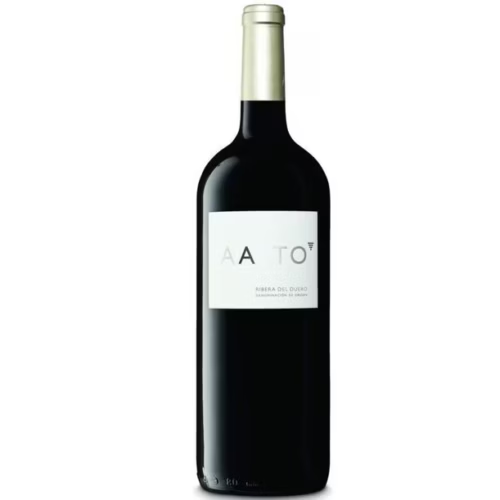
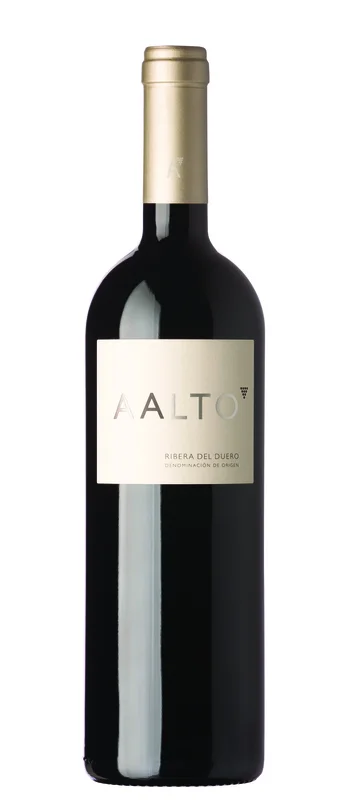
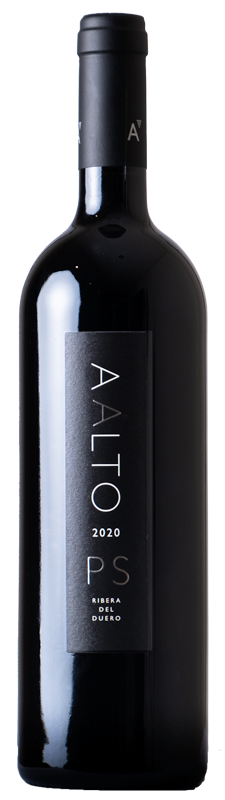
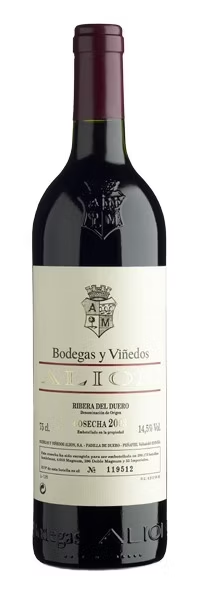
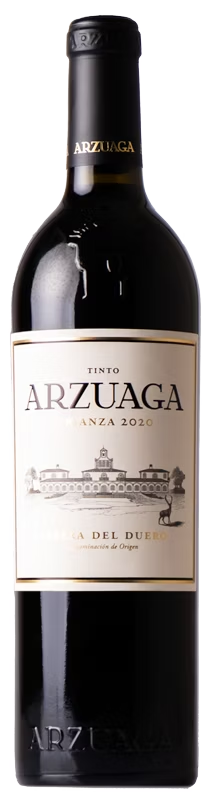
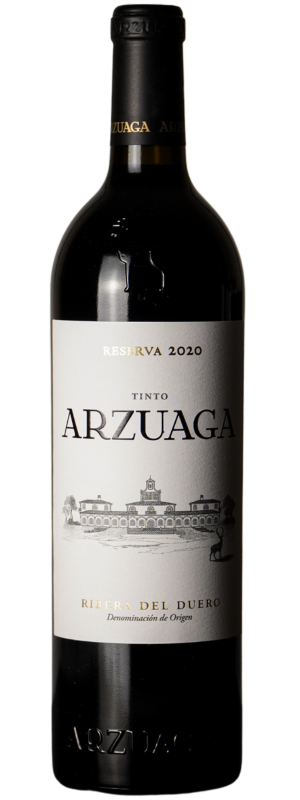
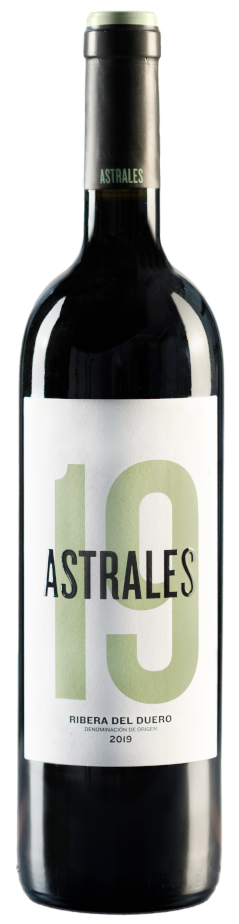
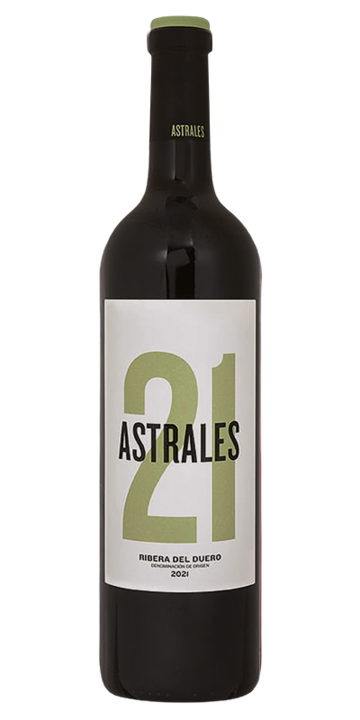
In the Feiniwy.ch range you will find renowned names such as Aalto from Bodegas Aalto, wines from Arzuaga or Astrales as well as bottlings from the great Ribera tradition. Each bottle should have a clear reason why it belongs on the shelf.
Buying Ribera del Duero wine: what to look out for
If you are in the Ribera del Duero wine region When looking for the right bottle, it helps to consider the occasion, degree of maturity and food pairing. A younger Tinto Fino with juicy fruit is perfect for an evening with friends. A Crianza or Reserva has more depth with lamb, beef, game or mature cheese.
For getting started: Roble or young Crianza with fruit, spice and moderate wood.
For meat dishes: Crianza or Reserva with ripe tannins and dark flavours.
For the cellar: Wines of good vintages from established bodegas, stored cool and quiet.
As a gift: A well-known bodega, a strong vintage or a magnum bottle.
If you are comparing Ribera del Duero wineries, don't just look at names. Location, vine age, ageing and vintage count just as much. Our curated selection of Red wines helps you find the right style without having to spend hours deciphering labels.
Food, temperature and storage for Ribera del Duero
The Ribera del Duero wine region provides ideal wines for aromatic cuisine. A full-bodied Tempranillo goes well with braised beef, lamb gigot, entrecôte, mushroom ragout, Iberian ham or hard cheese. With spicy dishes, the high tannin content can quickly become edgy; it is better to choose a softer wine.
Serve young Ribera wines at 16 to 17 degrees. Mature Reservas show more depth at 17 to 18 degrees. An hour in the carafe opens up many powerful wines, especially when they are young.
Care is worthwhile for bottles with ageing potential. Constant temperature, darkness and rest protect the flavours. Our Tips for storing wine properly at home show you how to store your wines well without your own natural cellar.
The Ribera del Duero wine region compared to Rioja and Toro
Many wine lovers compare the Ribera del Duero wine region with Rioja and Toro. All three regions work heavily with Tempranillo, but the expression is noticeably different.
Rioja often shows more red fruit, fine spice and classic barrel notes. Toro is denser, richer in alcohol and often more powerful. Ribera del Duero is somewhere in between: darker than Rioja, tighter than many Toro wines, with a cool vein from the altitude.
Anyone who loves strong Spanish wines will find the best wines for festive meals, gifts and their own collection in Ribera del Duero. For suitable combinations at the table, our guide to Red wine and food.
Frequently asked questions about the Ribera del Duero wine region
Which is the most expensive wine in the Ribera del Duero?
Pingus from Dominio de Pingus is one of the most expensive and best-known wines from the Ribera del Duero wine-growing region. Prices depend heavily on vintage, retailer, bottle size and availability. Rarities from Vega Sicilia, especially Único, also reach high prices.
What are the best Ribera del Duero wines?
The best Ribera del Duero wines combine ripe fruit, firm structure, freshness and precise use of wood. Well-known names include Vega Sicilia, Dominio de Pingus, Aalto, Alión, Arzuaga, Pago de Carraovejas, Emilio Moro and Astrales. What counts when buying a wine is its flavour: powerful, elegant, mature or accessible.
In which wine region is Ribera del Duero located?
Ribera del Duero is located in Castile and León in the north of Spain. The DO follows the Duero river and is one of the most prominent red wine regions in the country.
Where is the Ribera del Duero wine region?
The Ribera del Duero wine region stretches along the Duero through parts of Burgos, Valladolid, Soria and Segovia. Places such as Aranda de Duero, Peñafiel and Roa characterise the map of the region.
Which indigenous Ribera del Duero grape varieties characterise the style?
Tinto Fino, the local Tempranillo variety, characterises the style of the red wines. Albillo Mayor, the most important white variety, complements the region's profile and is gaining recognition among quality-conscious winegrowers.
How long does a good Ribera del Duero age?
A good Crianza usually matures for five to eight years with profit. Strong Reservas and top wines from the Ribera del Duero wine-growing region develop for ten, fifteen or more years if stored correctly.
If you have any questions or would like a consultation, please fill in the form.