


No products in the cart.
Burgundy
The Burgundy (French: Burgundy) is one of the most renowned and complex wine regions in the world. Covering an area of approximately 50,000 hectares of vineyards The region produces elegant, long-lasting and often extremely exclusive top-quality wines. The defining feature of Burgundy is the terroir: winegrowers make use of the concept of „Climats“ – clearly defined plots with unique soil and microclimate conditions.
THE WAY TO THE BEST BOTTLE
Filter & Search
SUCHE
Categories
- Sales
- Novelties
- Alcohol-free products
- Red wines
- White wines
- Rosé wines
- Sparkling wines/champagne
- Olive oil
SORTIEREN
REGION
SORTE
HERSTELLER
JAHRGANG
FLASCHENGRÖSSE
ANBAU
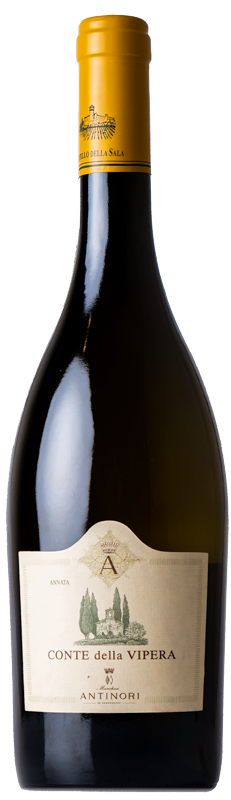
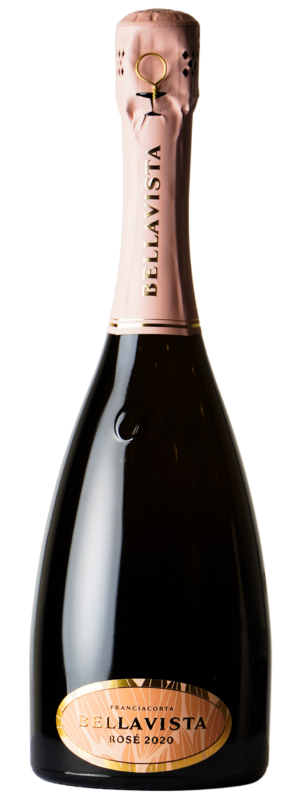
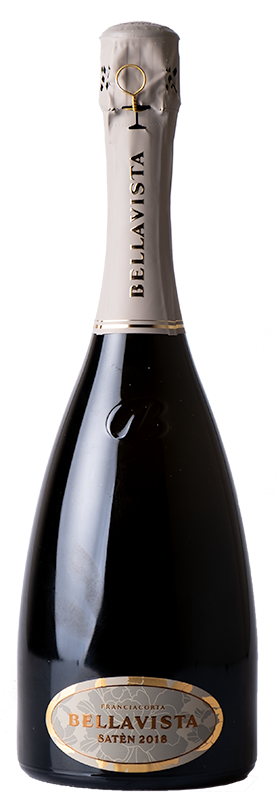
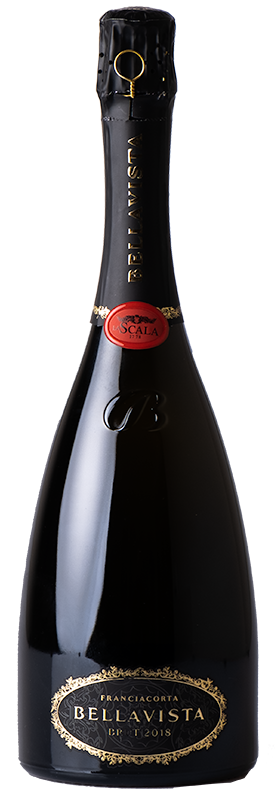
Showing all 2 results
Country
Variety
Manufacturer
Vintage
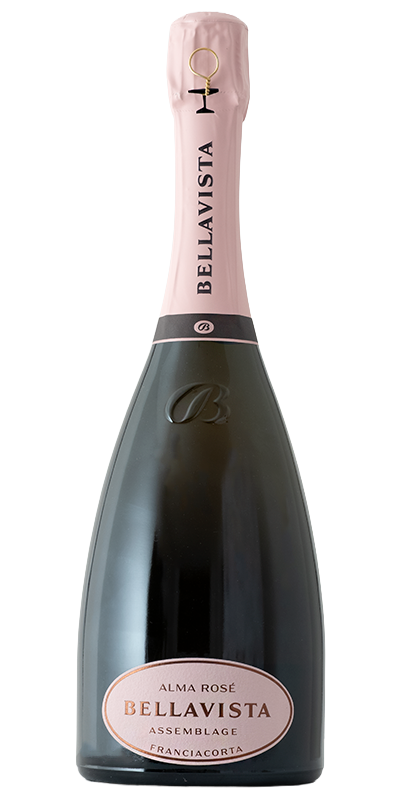
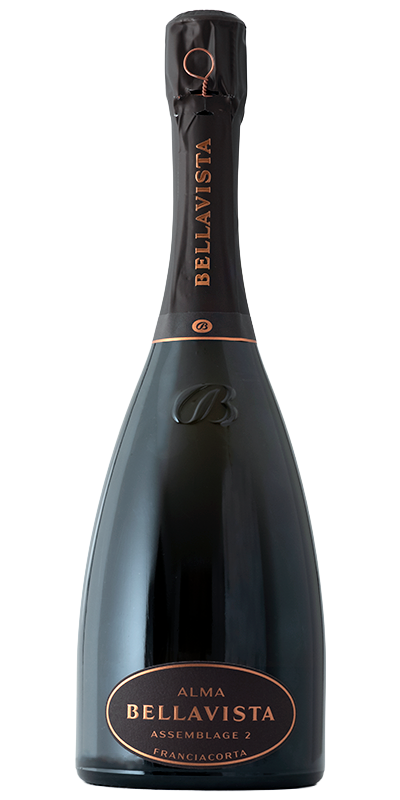
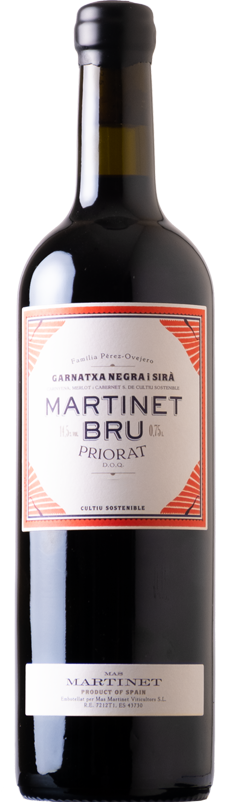
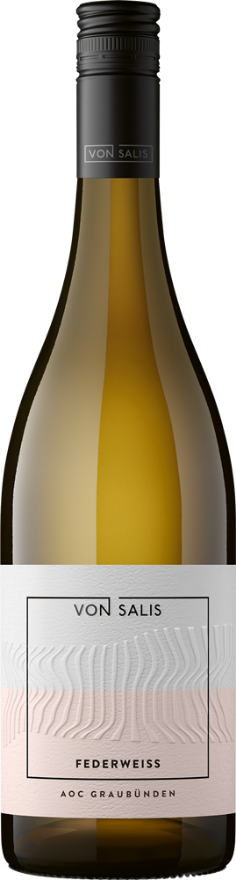
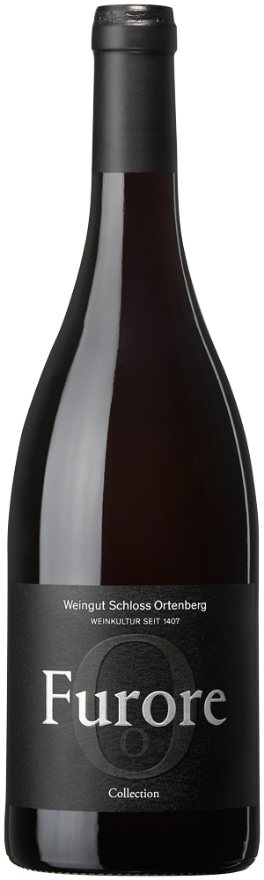
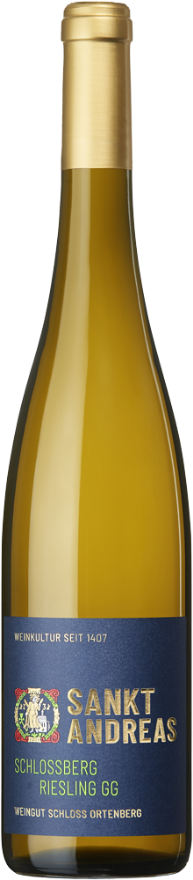
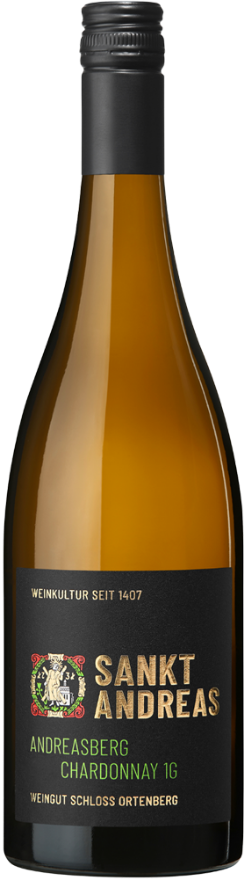
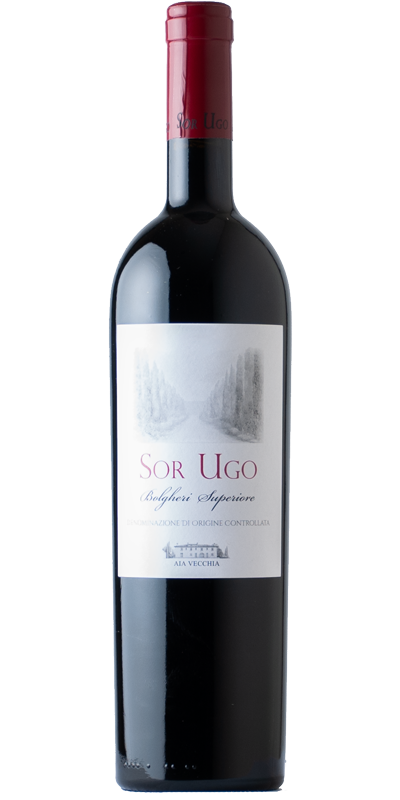
Red wines from Burgundy are synonymous with Pinot Noir that offers provenance, complexity and a refined structure. In the Burgundy wine region, it is not the intensity in the glass that counts, but provenance: the village, vineyard, soil, vintage and the winemaker’s signature characterise the wine more strongly than ageing in oak or the power derived from alcohol.
At Feiniwy.ch, the Swiss online shop of Weinbüro Felber, you will find Burgundy wines for enjoyable evenings, fine dining and special gifts. The selection is aimed at wine lovers who are not looking for the loudest red wine, but rather a wine with precision, aroma and provenance.
At Feiniwy.ch you will find Red wines from France, … that combine flavour and provenance. If you’re looking for a personalised recommendation for a red wine, Weinbüro Felber can help you choose based on your menu, budget and occasion.
The Burgundy wine region traces its origins to individual vineyards
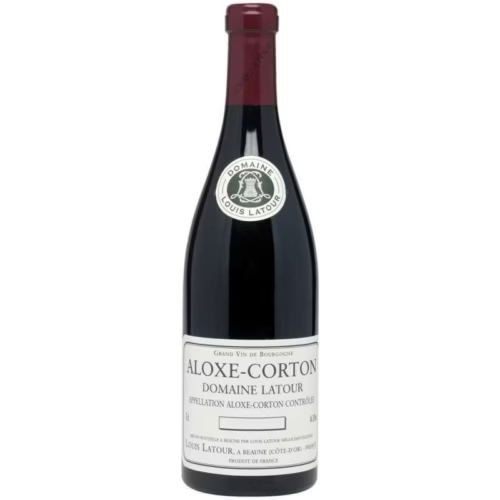
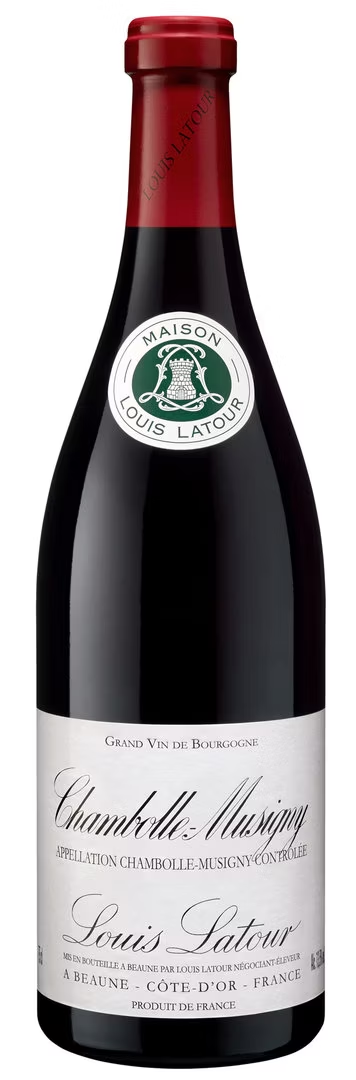
The Burgundy wine region stretches across eastern France from Chablis in the north to the Mâconnais in the south. When it comes to red wine, the focus is primarily on the Côte d’Or: the Côte de Nuits with Gevrey-Chambertin, Chambolle-Musigny, Vosne-Romanée and Nuits-Saint-Georges, as well as the Côte de Beaune with Aloxe-Corton, Beaune, Pommard and Volnay. Burgundy’s famous „climats“ refer to clearly defined vineyard plots. Many of them differ by only a few metres in slope, limestone content, aspect or soil depth. It is precisely this granularity that makes Burgundy red wines so fascinating: two Pinot Noir wines from neighbouring vineyards can display completely different expressions of fruit, tannin and minerality in the glass. The climats of the Côte de Nuits and Côte de Beaune have been a UNESCO World Heritage Site since 2015. ([whc.unesco.org](https://whc.unesco.org/fr/list/1425?utm_source=openai)) Who French wine with a designation of origin believes that Burgundy is one of the most precise expressions of terroir. Bordeaux red wines are often characterised by blends of Cabernet Sauvignon, Merlot or Cabernet Franc. Burgundy, on the other hand, relies almost entirely on Pinot Noir for its top-quality red wines. This requires a delicate touch both in the vineyard and in the cellar.Pinot Noir defines Burgundy’s red wines with its aroma, finesse and length
Pinot Noir reagiert sensibel auf Klima, Boden und Ertrag. In kühlen Jahren zeigt die Sorte rote Johannisbeere, Kirsche, Hagebutte und florale Noten. In wärmeren Jahrgängen treten dunklere Kirsche, Pflaume, Gewürz und reifere Tannine hervor. Gute Rotweine Burgund behalten trotz Reife ihre Frische; sie wirken nie schwerfällig. Die offizielle Bourgogne-Weinorganisation nennt Pinot Noir und Chardonnay als die beiden prägenden Rebsorten der Region; Pinot Noir liefert die Grundlage für die grossen roten Burgunder. Daneben spielen Gamay, Aligoté und regionale Sorten in bestimmten Appellationen eine Rolle. ([bourgogne-wines.com](https://www.bourgogne-wines.com/wine-and-terroir/our-grape-varietals-our-colors/pinot-noir-and-chardonnay-the-bourgogne-region-s-two-noble-grape-varietals%2C2475%2C9265.html?utm_source=openai)) Die oft zitierte Burgunder Farbe beschreibt kein fixes Rubinrot. Junge Pinot-Noir-Weine schimmern hellrot bis granatfarben. Mit Reife entwickelt sich ein transparenter Ton, der an getrocknete Kirschen, Tee und Herbstlaub erinnert. Genau dort liegt die Eleganz: Rotweine Burgund überzeugen selten durch tiefdunkle Farbe, sondern durch Duft, Spannung und Nachhall.Which origin suits your taste?
In Burgundy, the appellation does not determine quality on its own; rather, it serves as a guide. Anyone wishing to buy Burgundy red wines should pay attention to the appellation, producer and vintage. A good regional Bourgogne Pinot Noir can be enjoyed sooner than a closed-off Premier Cru. For special occasions, it is worth looking at village appellations and single-vineyard wines.| Origins in Burgundy | Typical style of red wine | Fits with |
|---|---|---|
| Burgundy Pinot Noir | Fruity, approachable, with a delicate acidity | A selection of savoury snacks, cold cuts, chicken, and mushroom dishes |
| Côte de Nuits | Well-structured, full-bodied, suitable for ageing | Beef, game birds, entrecôte, truffles |
| Côte de Beaune | Delicate, fragrant, sometimes more silky than robust | Veal, duck, braised vegetables, soft cheese |
| Côte Chalonnaise | Fresh, clear, and often attractively priced | Everyday cuisine with a twist, pasta, terrines |
Native grape varieties of Burgundy: more than just Pinot Noir
The term „indigenous Burgundy grape varieties“ refers, in the strictest sense, to varieties that have deep historical roots in the region. Pinot Noir dominates Burgundy’s red wines. Gamay has its own tradition in southern Burgundy and related appellations. César is frequently found in Irancy, an appellation in the Yonne region, as a small proportion alongside Pinot Noir. For whites, Chardonnay and Aligoté characterise the region. Chardonnay originates historically from Burgundy and is found there across a range from Chablis to Meursault, Puligny-Montrachet and Mâcon. Those wishing to discover the white wines of the same region will find suitable bottles at White wines from Burgundy. Die Bourgogne-Weinorganisation führt Pinot Noir, Chardonnay, Gamay und Aligoté als Hauptsorten der Region. ([bourgogne-wines.com](https://www.bourgogne-wines.com/glossary/grape-variety%2C2532%2C9412.html?args=Y29tcF9pZD0xNTc1JmFjdGlvbj12aWV3R2xvc3NhaXJlJmlkPSZtb3Q9MTExfA%3D%3D&utm_source=openai)) Für Rotweine Burgund bleibt Pinot Noir das Zentrum. Gamay ergänzt die Region dort, wo frische, saftige Rotweine mit weniger Tannin gefragt sind. César bringt in Irancy Farbe und Griff. Diese Sortenvielfalt wirkt kleiner als in Italien oder Spanien, doch sie zeigt, wie genau Burgund Herkunft über wenige Rebsorten ausformt.Choosing the right Burgundy wine: the occasion, the food and the age matter
A young Burgundy Pinot Noir pairs well with dishes that aren’t served with a heavy sauce: fried mushrooms, chicken, roast veal, grilled salmon, ratatouille or mature Gruyère. A mature Pommard or Gevrey-Chambertin calls for more robust flavours. Duck, venison, beef fillet, morels and truffles bring out the earthy depth of fine Burgundy reds. Temperature is key when serving. 14 to 16 degrees is sufficient for many Burgundy Pinot Noirs. Served too warm, the wine loses its definition; served too cold, the tannins seem harsh. Open high-quality bottles carefully and taste the wine in the glass first. Not every Burgundy needs a long time in a decanter. If you want to pair food and wine more precisely, it’s worth taking a look at the guide to Red wine pairings for various dishes. For older bottles and cellar reserves, the Tips for storing wine properly at home, particularly with temperature-sensitive Pinot Noir.Buy Burgundy red wines at Feiniwy.ch
Burgundy red wines appeal to buyers who want to taste the terroir. They aren’t looking for just any old bottle off the shelf, but a wine that complements a meal, an evening out or a gift. This is precisely where Feiniwy.ch’s curated selection comes in: Weinbüro Felber selects wines with character, stylistic integrity and a clear concept of enjoyment. Compared to many full-bodied red wines, Burgundies often seem more understated. Yet this restraint is deceptive. Good Burgundy reds reveal depth in the glass if you give them time: first fruit, then spice, earth, flowers, tea and undergrowth. Those who appreciate such development will find Burgundy a region of great excitement. Discover the Selection of red wines in the Swiss online shop Or ask Weinbüro Felber for advice if you’re looking for a Burgundy to accompany a meal, as a gift, or for your own wine collection.Frequently asked questions about Burgundy red wines
What are the 10 red grape varieties?
Well-known red grape varieties include Pinot Noir, Gamay, Cabernet Sauvignon, Merlot, Cabernet Franc, Syrah, Grenache, Tempranillo, Sangiovese and Nebbiolo. In Burgundy, Pinot Noir defines the style of red wines; Gamay and César play a complementary role in certain appellations.Which is Burgundy’s most important red wine variety?
Pinot Noir is Burgundy’s most important red grape variety. The great red Burgundies from the Côte de Nuits and Côte de Beaune are made from this variety. It displays red fruit, delicate acidity, silky tannins and a remarkable ability to reflect its terroir in the glass.Which are the best Burgundy wines?
Among the most renowned Burgundy wines are Grand Cru and Premier Cru wines from vineyards such as Chambertin, Clos de Vougeot, Romanée-Saint-Vivant, Corton, Musigny and Bonnes-Mares. For many wine lovers, village wines from Volnay, Pommard, Beaune, Savigny-lès-Beaune or Gevrey-Chambertin offer an attractive balance of character and price.What red wines are there from Burgundy?
Red wines from Burgundy range from Bourgogne Pinot Noir and village appellations to Premier Cru and Grand Cru. Well-known origins include Gevrey-Chambertin, Chambolle-Musigny, Vosne-Romanée, Nuits-Saint-Georges, Aloxe-Corton, Pommard, Volnay, Beaune, Mercurey and Givry.How do Burgundy red wines differ from Bordeaux red wines?
Burgundy red wines are predominantly made from Pinot Noir and tend to be more delicate, lighter in colour and more aromatic. Bordeaux red wines are often based on Cabernet Sauvignon, Merlot or Cabernet Franc and generally exhibit higher tannin levels, darker fruit and a more robust structure. Both regions produce great wines, yet they speak different languages in the glass.How long can Burgundy red wines be kept?
A good Burgundy Pinot Noir is often best enjoyed within two to five years. High-quality village wines frequently mature over five to ten years. Premier Cru and Grand Cru wines from strong vintages develop significantly longer when stored correctly. Temperature, protection from light and storage in a quiet environment have a greater impact on maturation than the label alone.If you have any questions or would like a consultation, please fill in the form.
Ansgar Felber, Zumikon
Wines at fair and transparent prices
feiniwy.ch
- Novelties
- Alcohol-free products
- Red wines
- White wines
- Rosé wines
- Sparkling wines/champagne
- Olive oil
Felber wine office
feiniwy.ch